
In an age where technology is advancing faster than ever, we’re witnessing the transformation of everyday life in ways we never thought possible. From artificial intelligence to groundbreaking innovations in healthcare and beyond, we are on the verge of a new era that will reshape how we live, work, and interact. This post explores the most exciting technological trends that are set to define the next decade, examining how they will impact industries, societies, and the future of humanity.
Artificial Intelligence: A New Era of Smarter Solutions
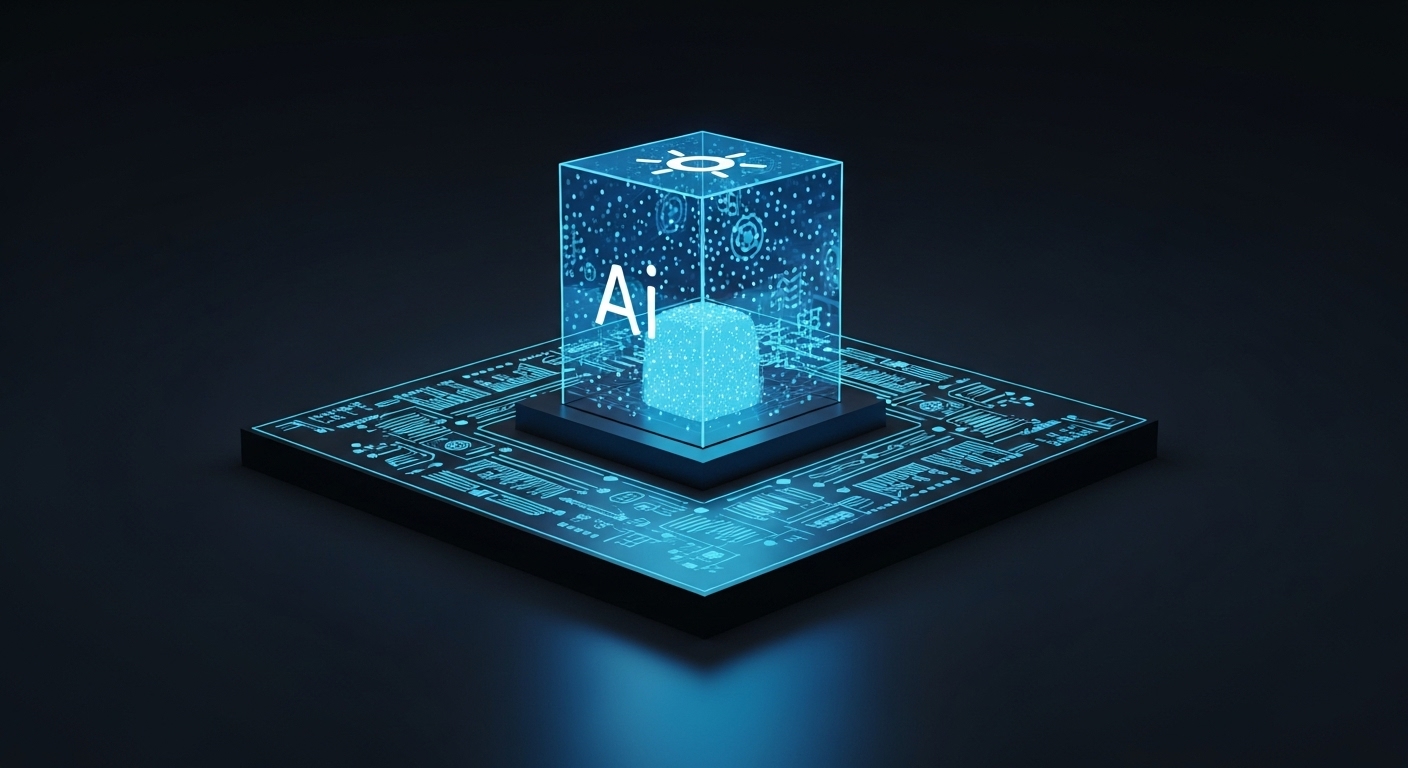
Artificial Intelligence (AI) has already made waves in various sectors, from entertainment recommendations to healthcare diagnostics. As we move forward, AI is only going to become more integrated into our daily lives. Today, AI-powered algorithms are not only automating tasks but also offering predictive insights, enhancing customer experiences, and providing new ways to make data-driven decisions.
In healthcare, AI is helping doctors diagnose diseases more accurately by analyzing vast amounts of patient data. The rise of machine learning algorithms has enabled early detection of conditions such as cancer, diabetes, and neurological diseases, sometimes even before symptoms arise. As AI continues to evolve, it will play an essential role in personalizing healthcare, ensuring that treatments and medical advice are tailored to the individual.
Moreover, AI’s influence extends beyond healthcare. In industries like finance, AI-driven systems are revolutionizing risk management and fraud detection, offering smarter financial planning solutions. The growing prominence of AI means we’re only scratching the surface of its potential, with new applications emerging regularly in everything from law enforcement to creative arts.
The Metaverse: Redefining How We Interact
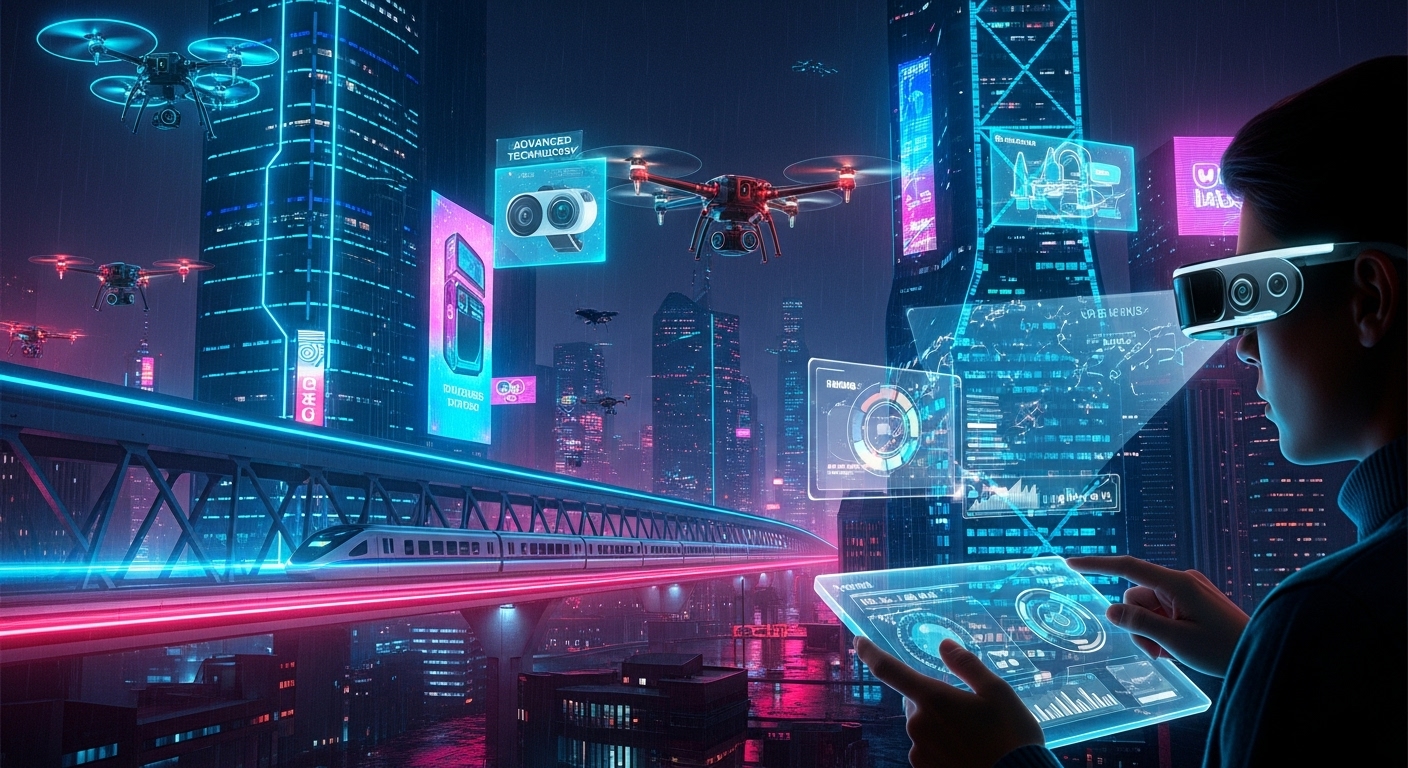
The concept of the Metaverse—an interconnected virtual world where users interact with each other and digital environments in real-time—is no longer just a futuristic idea. Major tech companies are already investing heavily in building these immersive worlds, and while the technology is still in its early stages, it’s poised to change how we socialize, work, and consume content.
In the Metaverse, virtual reality (VR) and augmented reality (AR) converge to create experiences that are as real as the physical world. Imagine attending a virtual concert with friends, shopping in a fully interactive store, or collaborating with colleagues in a virtual office space—these experiences are rapidly becoming a reality.
The Metaverse will also have a profound impact on industries like gaming, education, and real estate. In education, students could attend virtual classes in immersive 3D environments, while real estate developers are exploring how virtual spaces can be used to showcase properties and design plans in a way that’s never been done before. As the Metaverse expands, its potential for creating new virtual economies, business models, and social experiences will be limitless.
5G: Unlocking the Full Potential of Connectivity
The roll-out of 5G networks is expected to usher in a new era of connectivity, offering lightning-fast internet speeds, reduced latency, and the ability to connect more devices than ever before. While we’ve been hearing about 5G for years, the technology is finally beginning to take shape, and its impact will be far-reaching.
For consumers, the advantages of 5G are immediately apparent. Faster download speeds, higher-quality streaming, and better network reliability are just the beginning. But 5G’s real promise lies in its ability to connect billions of devices seamlessly, creating a hyperconnected world. This is especially significant for the Internet of Things (IoT), where everything from smart homes to wearable tech will benefit from faster and more reliable communication.
5G also paves the way for innovations in industries like healthcare, autonomous vehicles, and smart cities. In healthcare, remote surgeries and telemedicine will become more viable due to the low latency and high speed of 5G. In transportation, self-driving cars will be able to communicate with each other and the infrastructure around them in real time, reducing accidents and improving traffic flow. The future of 5G is one where nearly everything is connected, making our world smarter and more efficient.
Quantum Computing: The Power to Solve the Unsolvable
Quantum computing is one of the most fascinating fields in technology right now, and although it’s still in its early stages, its potential is enormous. Unlike classical computers, which process information as binary data (0s and 1s), quantum computers use qubits that can exist in multiple states at once. This opens the door to solving problems that would take traditional computers millions of years to crack.
Quantum computing has the potential to revolutionize fields like drug discovery, climate modeling, and cryptography. In healthcare, quantum computers could simulate molecular structures and chemical reactions at an unprecedented scale, speeding up the development of life-saving drugs. In the world of finance, quantum computing could optimize portfolios and assess risks with an accuracy that current systems cannot match.
Though quantum computing is still far from mainstream use, breakthroughs in the coming years will likely unlock new capabilities in fields that require enormous computational power. As scientists and engineers continue to push the boundaries, quantum computing will no longer be a science fiction concept—it will become a key part of our technological toolkit.
Blockchain: The Backbone of Trust in a Digital World
Blockchain technology, best known for powering cryptocurrencies like Bitcoin, is gaining traction as a tool to create transparent and secure systems in various industries. At its core, blockchain is a decentralized ledger that records transactions across a network of computers. This ensures that data is immutable and tamper-proof, offering an unprecedented level of security and trust.
In supply chain management, blockchain allows companies to track products in real-time, ensuring that goods are ethically sourced and preventing fraud. In finance, blockchain is streamlining cross-border payments, reducing fees, and increasing transaction speeds. Even in sectors like healthcare and government, blockchain can help secure sensitive data and simplify bureaucratic processes.
While blockchain is most commonly associated with cryptocurrencies, its potential extends far beyond this. As the technology matures, it will likely become a foundational element in industries that rely on data security, transparency, and trust.
Sustainability Tech: Innovations for a Greener Tomorrow
In the face of growing environmental concerns, the role of technology in achieving sustainability has never been more crucial. From clean energy to smart agriculture, technology is offering new ways to reduce our carbon footprint and preserve the planet for future generations.
Renewable energy technologies, such as solar and wind, have made tremendous progress in recent years. Innovations in energy storage and grid management are also helping to make these renewable sources more reliable and efficient. In transportation, electric vehicles (EVs) are becoming more affordable and accessible, while advancements in battery technology promise longer driving ranges and faster charging times.
In agriculture, precision farming technologies are enabling farmers to use water, fertilizer, and pesticides more efficiently, reducing waste and environmental impact. Even in urban planning, smart cities are being developed to optimize energy use, improve waste management, and reduce emissions.
As we continue to face the realities of climate change, sustainability-focused tech will play a vital role in shaping a greener, more sustainable future.
Conclusion: Embracing the Future with Technology
The next decade promises to be a transformative period for technology, one where emerging innovations will have a profound impact on every aspect of our lives. From the widespread adoption of AI to the rise of the Metaverse and the power of quantum computing, the future of tech is incredibly exciting. However, as these technologies continue to develop, it is essential to approach them with a sense of responsibility and ethical consideration.
The potential for good is immense, but so are the challenges. As we move forward, it will be up to us to ensure that these innovations are used for the benefit of all, creating a future where technology empowers individuals, improves societies, and preserves the planet. The tech of tomorrow is unfolding today, and we are just getting started.