
Introduction
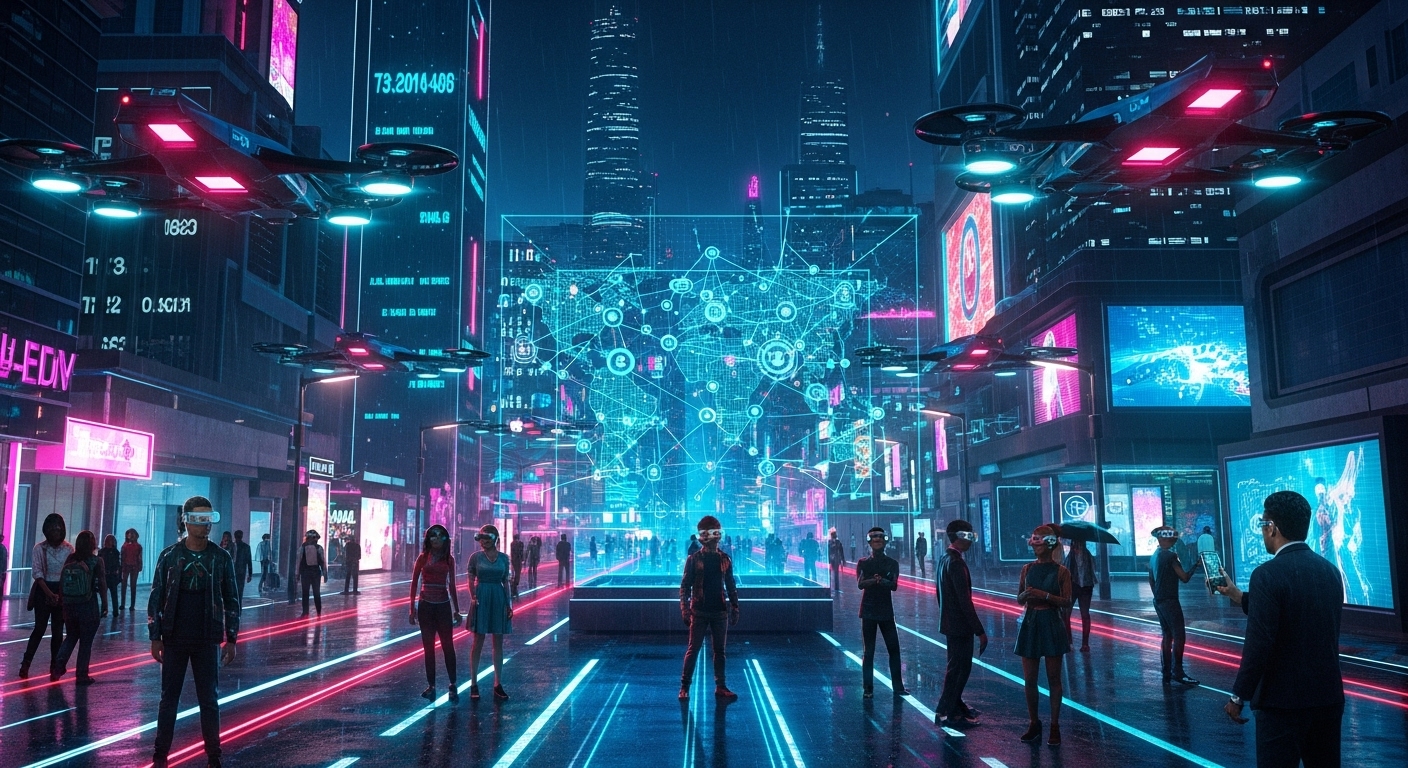
Technology is the cornerstone of modern life. It influences how we communicate, learn, work, and even think. From the invention of the first computer to the latest developments in artificial intelligence, technology has continually reshaped human society. In today’s world, it drives innovation, connects people globally, and enhances productivity across nearly every sector. This blog explores the evolution of technology, its current impact, and the exciting possibilities that lie ahead.
The Evolution of Technology
The history of technology is a journey of human ingenuity. Early innovations like the wheel, fire, and tools laid the foundation for human civilization. As societies evolved, inventions such as the printing press, electricity, and the telephone transformed the way people communicated and shared knowledge. The 20th century introduced computers and the internet, revolutionizing information processing and connectivity. Each technological leap has brought humans closer together while creating new possibilities for progress.
Artificial Intelligence: Redefining Intelligence
Artificial intelligence (AI) is a transformative force in modern technology. AI systems can analyze vast amounts of data, recognize patterns, and make decisions faster than humans. In industries like healthcare, AI assists in diagnostics, predictive analytics, and personalized treatments. In business, it drives efficiency through customer service chatbots, demand forecasting, and workflow automation. AI also plays a critical role in scientific research, robotics, and autonomous vehicles. Its potential to augment human intelligence makes it one of the most significant technological advancements of our time.
Automation and the Changing Workplace
Automation has revolutionized workplaces worldwide. Repetitive tasks in manufacturing, logistics, and administrative work are increasingly handled by machines and intelligent software. Robotics streamlines production processes, reduces errors, and increases efficiency. Automation extends to everyday life through smart devices, self-checkout systems, and digital assistants. While automation raises concerns about job displacement, it also creates opportunities for humans to focus on tasks requiring creativity, critical thinking, and emotional intelligence.
The Internet: Connecting the World
The internet is one of the most influential technologies of the modern era. It has transformed communication, commerce, education, and entertainment. Email, instant messaging, and social media enable instant global interaction. Cloud computing allows businesses and individuals to access data and software anywhere, promoting flexibility and efficiency. The internet also democratizes knowledge, providing vast amounts of information to anyone with a connection. It has become the backbone of globalization, connecting people, cultures, and economies like never before.
Blockchain: Building Trust Digitally
Blockchain technology, originally associated with cryptocurrencies, has applications far beyond digital money. It provides secure, decentralized, and transparent systems for transactions, record-keeping, and digital identity verification. Industries like supply chain management, healthcare, and finance are adopting blockchain to increase efficiency and reduce fraud. By creating trust without intermediaries, blockchain is redefining how businesses operate and how digital interactions occur.
Virtual Reality and Augmented Reality
Virtual reality (VR) and augmented reality (AR) are transforming how humans experience the world. VR immerses users in fully digital environments, enhancing gaming, training, and virtual tourism experiences. AR overlays digital information onto the real world, improving navigation, education, and industrial processes. Both technologies expand the possibilities of interaction, learning, and entertainment, offering experiences that go beyond what traditional media can provide.
Technology in Healthcare
Healthcare has benefited immensely from technological advancements. Telemedicine allows remote consultations, making healthcare more accessible, especially in rural areas. Wearable devices track health metrics, encouraging preventive care. AI-assisted diagnostics and robotic surgery enhance precision and efficiency. Electronic health records simplify data management and improve patient outcomes. Technology in healthcare not only saves lives but also increases the reach and efficiency of medical services worldwide.
Education in the Digital Era
Technology has revolutionized education, making learning more accessible, personalized, and engaging. Online platforms offer courses on virtually every subject, allowing learners to study at their own pace. Adaptive learning systems use AI to tailor content to each student’s needs, improving comprehension and retention. Interactive simulations and gamified learning experiences make complex concepts more understandable. Technology empowers both teachers and students, transforming traditional classrooms into dynamic learning environments.
Smart Cities and Sustainable Technology
Technology is shaping the cities of the future. Smart cities use connected devices and sensors to manage traffic, energy, water, and waste efficiently. Renewable energy technologies like solar panels, wind turbines, and battery storage reduce environmental impact. Intelligent infrastructure improves safety, efficiency, and sustainability. As urban populations grow, technology becomes essential in creating livable, resilient, and eco-friendly cities.
Cybersecurity: Protecting the Digital World
As technology advances, cybersecurity becomes increasingly important. Cyber threats such as data breaches, malware, and ransomware can disrupt businesses, governments, and individuals. Advanced cybersecurity measures, including encryption, threat detection, and multi-factor authentication, protect sensitive information. Promoting awareness and adopting best practices are critical to maintaining trust and safety in the digital world.
Artificial Intelligence and Creativity
AI is not limited to analytics and automation; it is also shaping creative industries. AI tools assist in generating music, digital art, and written content. Designers and artists use AI to enhance creativity, explore new styles, and streamline production processes. The collaboration between human creativity and AI technology demonstrates how innovation can expand the boundaries of imagination.
The Internet of Things: A Connected Ecosystem
The Internet of Things (IoT) connects everyday devices, enabling them to communicate and share data intelligently. Smart homes, wearable health monitors, connected vehicles, and industrial sensors are all part of this ecosystem. IoT systems improve efficiency, safety, and convenience by analyzing real-time data and enabling automated decision-making. This interconnected world enhances the quality of life and transforms industries through data-driven insights.
Quantum Computing: The Next Frontier
Quantum computing promises to revolutionize problem-solving in science, medicine, and finance. Unlike traditional computers, quantum systems use quantum bits capable of representing multiple states simultaneously. This allows them to solve complex problems that classical computers cannot handle efficiently. Applications range from drug discovery and cryptography to climate modeling and advanced simulations. While still emerging, quantum computing has the potential to redefine computing as we know it.
Challenges and Ethical Considerations
Despite the benefits of technology, challenges remain. Ethical questions about AI decision-making, privacy, surveillance, and digital addiction are pressing concerns. Automation may disrupt traditional job markets, requiring society to adapt. Ensuring equitable access to technology is crucial to prevent a widening digital divide. Responsible innovation, ethical policies, and public awareness are essential to maximizing technology’s benefits while minimizing potential harm.
The Future of Technology
The future of technology promises even deeper integration into human life. AI, AR, VR, IoT, and quantum computing will continue to reshape industries, education, and healthcare. Smart infrastructure, renewable energy, and advanced connectivity will create sustainable and efficient communities. Technology will blur the lines between the digital and physical worlds, transforming how humans interact, create, and innovate. The next decades will see humanity leveraging technology to solve complex global challenges and expand the frontiers of possibility.
Conclusion
Technology is the heartbeat of modern civilization. It connects people, drives innovation, and transforms industries. From AI and quantum computing to smart cities and healthcare advancements, technology touches every aspect of life. While it presents challenges, it also offers immense opportunities for progress, creativity, and sustainability. As humans continue to innovate responsibly, technology will remain a powerful force shaping our present and defining the future.