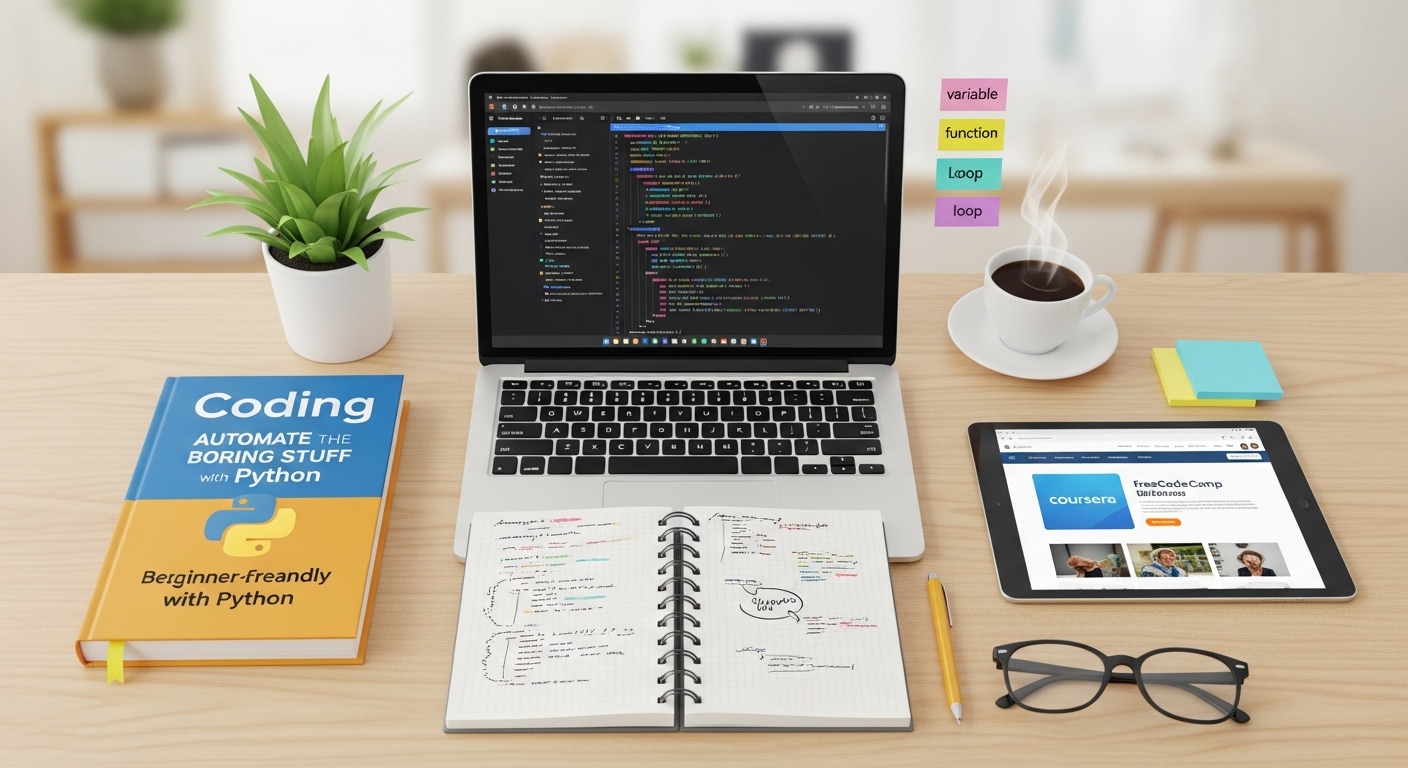
Learning to code has become one of the most valuable skills in the modern digital era. Whether someone wants to pursue a career in software development, become a data scientist, build websites, create mobile apps, or simply understand how technology works, coding is the gateway. For beginners, the journey may feel overwhelming at first, with countless programming languages, tools, and platforms available. However, with the right resources, learning to code can be an exciting, empowering, and life-changing experience.
In this comprehensive blog post, we will explore the best coding resources for beginners. These resources include online tutorials, interactive platforms, books, communities, and practice tools that provide structured and effective ways to build programming skills. The focus will be on resources that are beginner-friendly, accessible, and tailored to different learning styles.
Why Coding Matters Today
Before diving into resources, it is important to understand why coding has become such a crucial skill. Technology powers nearly every aspect of life, from smartphones and websites to banking systems, medical research, and even art. Coding is the backbone of this technological world, enabling people to solve problems, automate tasks, and create new innovations.
For beginners, learning to code not only opens the door to exciting career opportunities but also develops logical thinking, creativity, and problem-solving skills. It is no longer limited to professional programmers—entrepreneurs, students, and professionals across industries benefit from knowing the basics of coding.
Choosing the Right Language to Start
One of the first questions beginners face is: “Which programming language should I learn first?” The answer depends on personal goals, but here are some beginner-friendly options:
- Python – Known for its simplicity and readability, widely used in web development, data science, and automation.
- JavaScript – The language of the web, essential for anyone interested in front-end or full-stack development.
- HTML & CSS – Not programming languages but foundational skills for creating and styling websites.
- Scratch – A block-based language designed for kids and absolute beginners to grasp programming logic visually.
- Java – Popular for mobile apps and large-scale applications.
Starting with one language helps beginners build confidence before moving on to more complex ones.
Online Interactive Coding Platforms
Interactive platforms have transformed coding education by making learning hands-on and engaging. Instead of just reading or watching, beginners can write code directly in their browser and see results instantly.
Codecademy
One of the most well-known platforms for beginners, it provides guided lessons in Python, JavaScript, HTML, CSS, and more. With its interactive exercises, learners can practice as they go, which is effective for retention.
FreeCodeCamp
This resource is free and community-driven, offering thousands of hours of learning material. Beginners can start with basic HTML and CSS, progress to JavaScript, and eventually tackle advanced topics like APIs and data visualization.
Khan Academy Computer Science
Famous for educational resources in various subjects, it offers beginner-friendly lessons in computer programming using JavaScript and ProcessingJS. It’s great for visual learners who like interactive drawings and animations.
Scratch
Developed by MIT, Scratch uses block-based coding and is designed for kids and absolute beginners. It helps learners grasp programming fundamentals without being overwhelmed by syntax.
These platforms not only teach coding concepts but also provide structured curriculums that guide learners step by step.
Video-Based Learning Resources
Some beginners learn better through video tutorials, where they can see concepts explained step by step. Video learning is especially helpful for visual and auditory learners.
YouTube Channels
There are countless channels dedicated to teaching programming. Beginners can find tutorials on specific languages, projects, or even full-length courses. The advantage is that most content is free, and many creators break down complex concepts into simple terms.
Massive Open Online Courses (MOOCs)
Platforms like Coursera, Udemy, and edX provide structured video-based courses created by universities and professionals. While some courses are free, others are paid but often affordable. These courses include lectures, assignments, and projects, making them ideal for self-paced learning.
Video-based resources are particularly effective when combined with practice platforms, as they allow learners to watch and then immediately apply what they have learned.
Books for Beginners in Coding
Books remain one of the most trusted resources for learning programming, offering structured knowledge and in-depth explanations. Many beginner-friendly programming books are written with clarity and focus on practical examples.
Python Crash Course by Eric Matthes
A highly recommended book for beginners, it introduces Python basics and then moves on to practical projects such as building games and web apps.
Eloquent JavaScript by Marijn Haverbeke
A great resource for anyone starting with JavaScript, this book combines explanations with exercises to reinforce understanding.
Automate the Boring Stuff with Python by Al Sweigart
This beginner-friendly book teaches Python with a practical approach, showing how to use programming to automate everyday tasks like organizing files or handling spreadsheets.
Books are an excellent choice for learners who prefer detailed explanations and the ability to learn offline at their own pace.
Coding Practice Platforms
Learning theory is only the beginning—practice is essential for becoming a skilled coder. Platforms designed specifically for coding challenges help beginners apply what they have learned.
HackerRank
A platform offering coding challenges across different domains, including algorithms, data structures, and artificial intelligence. It’s suitable for beginners looking to practice problem-solving skills.
LeetCode
While known for preparing advanced learners for technical interviews, it also provides beginner-level problems that are great for practicing logical thinking and coding efficiency.
Codewars
An engaging platform that turns coding challenges into fun “kata” exercises, encouraging learners to solve problems and improve through practice.
These platforms are great for building confidence and reinforcing knowledge by applying concepts in real-world problems.
Communities and Forums for Support
Learning to code can feel lonely without support. That’s where communities come in, offering spaces for learners to ask questions, share projects, and collaborate.
Stack Overflow
One of the largest communities of programmers, it allows users to post questions and receive answers from experienced coders. Beginners can find solutions to common problems quickly.
Reddit Communities
Subreddits like r/learnprogramming provide advice, discussions, and encouragement for new coders. It’s a place where learners share struggles and successes.
Discord and Slack Groups
Many coding platforms and communities maintain chat groups where beginners can interact in real time. This direct interaction helps learners get quick answers and stay motivated.
Being part of a supportive community is essential, as it allows beginners to learn from others’ experiences and gain encouragement when facing challenges.
Project-Based Learning
While tutorials and lessons are helpful, nothing solidifies coding knowledge like building projects. Beginners should start small, creating simple websites, calculators, or games, and gradually progress to larger applications.
Projects allow learners to connect theoretical knowledge with real-world applications, fostering creativity and confidence. Platforms like GitHub make it easy to share projects, collaborate, and showcase skills to potential employers.
Mobile Apps for Learning Coding
For learners on the go, mobile apps provide a convenient way to practice coding anytime and anywhere.
- SoloLearn – Offers short lessons and practice exercises in multiple languages.
- Mimo – Provides gamified coding lessons suitable for quick learning sessions.
- Grasshopper – A beginner-friendly app developed by Google that teaches coding through interactive puzzles.
These apps are perfect for casual learners or anyone who wants to make the most of spare moments throughout the day.
Importance of Consistency and Mindset
While resources are essential, the most important factor in learning coding is consistency. Many beginners give up because they expect instant results. Coding requires patience, persistence, and a willingness to embrace mistakes as part of the learning process.
A growth mindset ensures that learners see challenges as opportunities to improve rather than barriers. Setting small, achievable goals and celebrating progress along the way keeps motivation high.
Combining Resources for Maximum Benefit
No single resource is perfect for everyone. The most effective approach is combining different resources to match one’s learning style. For example, a beginner might use:
- An online interactive platform for structured lessons.
- YouTube videos for visual explanations of tough concepts.
- A book for detailed study and offline learning.
- A practice platform for coding challenges.
- A community forum for support and guidance.
This multi-dimensional approach ensures well-rounded learning and keeps the journey engaging.
Future of Coding Education
The future of coding education looks even more exciting, with artificial intelligence, gamification, and personalized learning shaping how people learn to program. AI-driven tutors can provide real-time feedback, while gamified platforms make learning addictive and enjoyable. As technology advances, beginners will have even more accessible and effective tools to master coding.
Conclusion
Learning to code is no longer a daunting journey thanks to the wealth of beginner-friendly resources available today. From interactive platforms and video tutorials to books, mobile apps, and supportive communities, beginners have more opportunities than ever to start their coding journey with confidence.
The key is not to get overwhelmed by the variety of options but to choose a resource that aligns with personal learning styles and goals. Consistency, practice, and curiosity will turn beginners into proficient coders over time.
For those willing to embrace the process, coding offers endless opportunities to innovate, solve problems, and shape the future. With the best resources at their fingertips, every beginner has the potential to become a creator in the digital world.