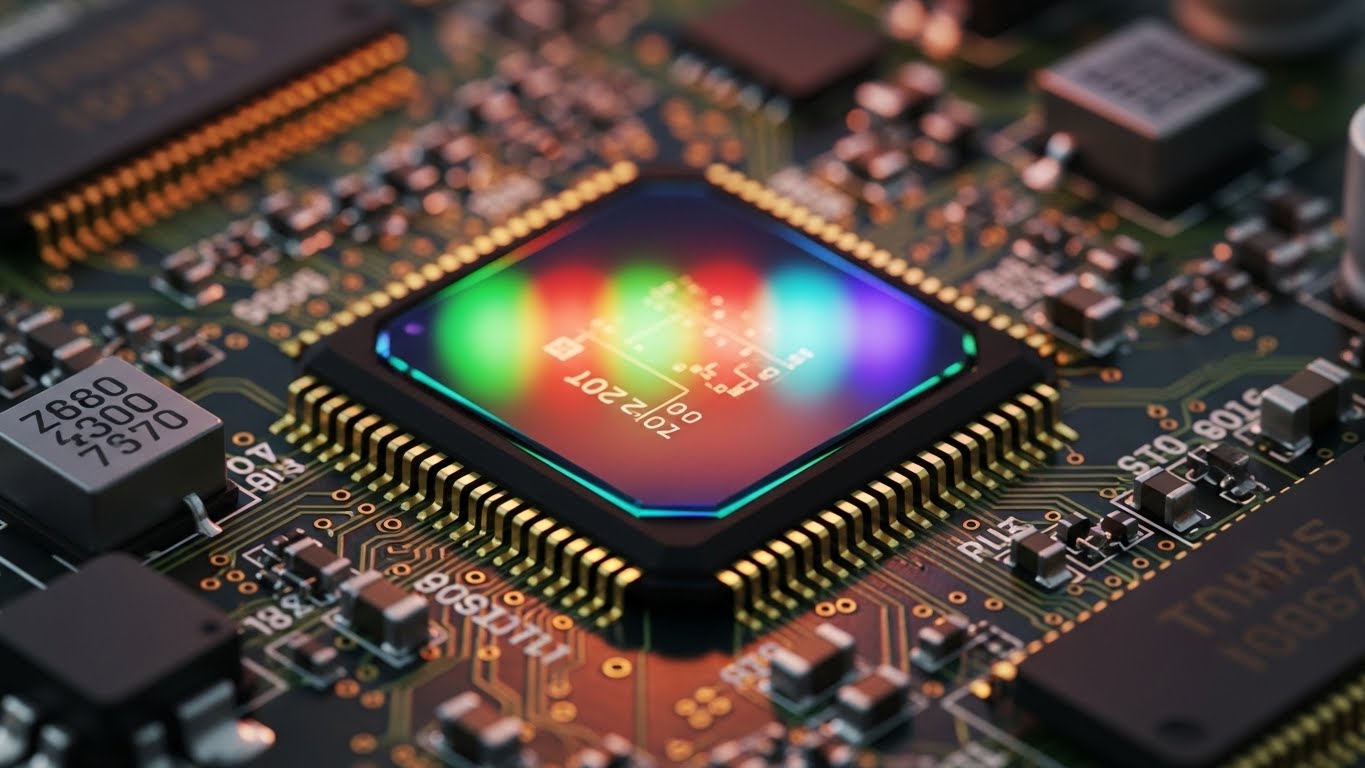
Technology has always been the driving force behind human progress. From the invention of the wheel to the rise of the internet, each technological leap has reshaped how society functions. Today, we stand at a similar crossroads, with innovations like artificial intelligence, blockchain, quantum computing, and renewable energy technologies promising to redefine the world as we know it. In this blog, we will explore how these emerging technologies are influencing industries, daily life, and the very fabric of our society.
The Rise of Artificial Intelligence
Artificial Intelligence (AI) is no longer a concept limited to science fiction. It has become an integral part of our lives, transforming industries and creating new opportunities. AI systems are now capable of learning, reasoning, and solving complex problems with remarkable efficiency. From virtual assistants in our smartphones to sophisticated predictive analytics in business, AI’s presence is undeniable.
AI is revolutionizing healthcare by enabling faster and more accurate diagnoses. Machine learning algorithms can analyze medical images, detect anomalies, and predict patient outcomes with precision far beyond human capability. In the field of autonomous vehicles, AI powers self-driving cars, promising safer roads and reduced traffic congestion. Even creative industries are benefiting, with AI tools assisting in content creation, music composition, and design.
Despite its advantages, AI also presents ethical challenges. Privacy concerns, algorithmic bias, and job displacement are pressing issues that society must address. Balancing innovation with responsible deployment will be critical as AI continues to evolve.
Blockchain Beyond Cryptocurrency
Blockchain technology is most commonly associated with cryptocurrencies, but its potential extends far beyond digital currencies. At its core, blockchain is a decentralized ledger that ensures transparency, security, and immutability of data. This makes it ideal for industries that rely on trust and verification.
Supply chain management is one area where blockchain is making a significant impact. By recording every step of a product’s journey, from raw materials to the end consumer, blockchain enhances transparency and reduces fraud. Financial institutions are exploring blockchain to streamline transactions, reduce costs, and enhance security. Additionally, blockchain is gaining traction in areas such as digital identity verification, voting systems, and intellectual property protection.
The decentralized nature of blockchain could redefine how we interact with digital systems. However, scalability, energy consumption, and regulatory hurdles remain challenges that must be addressed to unlock its full potential.
Quantum Computing: The Next Frontier
Quantum computing represents a paradigm shift in computing technology. Unlike classical computers, which process information using bits represented by 0s and 1s, quantum computers use qubits that can exist in multiple states simultaneously. This allows quantum systems to perform complex calculations at speeds unattainable by traditional computers.
Quantum computing has the potential to revolutionize industries that require immense computational power. In pharmaceuticals, quantum simulations can accelerate drug discovery by modeling molecular interactions at an unprecedented level of detail. In cryptography, quantum algorithms could break traditional encryption methods, prompting the development of quantum-resistant security protocols.
While still in its experimental stage, quantum computing promises to tackle problems previously thought unsolvable. Its development, however, requires overcoming significant engineering challenges, including qubit stability, error correction, and scalability.
Renewable Energy and Sustainable Technology
As the world grapples with climate change, renewable energy technologies are gaining prominence. Solar panels, wind turbines, and energy storage systems are transforming how we generate, store, and consume energy. Advancements in these technologies are making clean energy more efficient and affordable, accelerating the transition from fossil fuels to sustainable alternatives.
Smart grids and energy management systems are optimizing energy distribution, reducing waste, and ensuring reliable supply. Innovations in battery technology are addressing the intermittency of renewable sources, making energy storage more practical for homes, industries, and electric vehicles. Additionally, emerging technologies like green hydrogen and bioenergy are expanding the toolkit for sustainable energy solutions.
The adoption of renewable energy is not just an environmental imperative but also an economic opportunity. Countries investing in sustainable technologies are creating new industries, jobs, and global competitiveness.
Internet of Things: Connecting Everything
The Internet of Things (IoT) is transforming the way we interact with our environment. By embedding sensors, software, and connectivity into everyday objects, IoT enables seamless communication between devices, leading to smarter homes, cities, and industries.
In healthcare, wearable devices monitor vital signs and provide real-time feedback, empowering individuals to manage their health proactively. In agriculture, IoT sensors optimize irrigation, monitor soil conditions, and enhance crop yields. Smart cities utilize IoT to manage traffic flow, reduce energy consumption, and improve public safety.
The expansion of IoT raises concerns about data privacy and security. As more devices become interconnected, the risk of cyberattacks grows. Ensuring robust security protocols and responsible data handling will be essential as IoT continues to evolve.
Robotics and Automation
Robotics and automation are reshaping manufacturing, logistics, and service industries. Advanced robots equipped with AI can perform tasks with high precision, consistency, and efficiency. This is particularly evident in sectors such as automotive manufacturing, where robots assemble complex machinery with minimal human intervention.
Automation is also transforming warehouses, delivery systems, and customer service operations. Drones and autonomous vehicles are improving logistics efficiency, while chatbots and AI-powered assistants are enhancing customer interactions. In hazardous environments, such as mining or disaster response, robots reduce risks to human workers by performing dangerous tasks.
While automation offers productivity gains, it also raises concerns about workforce displacement. Preparing the workforce for new roles that complement automated systems will be vital to harness the benefits of robotics without causing widespread unemployment.
Biotechnology and Genetic Engineering
Biotechnology and genetic engineering are at the forefront of scientific innovation, offering new solutions to age-old problems. Advances in CRISPR technology allow precise editing of genes, opening possibilities in medicine, agriculture, and environmental management.
In healthcare, gene therapy is emerging as a treatment for genetic disorders and certain cancers. Agricultural biotechnology enables the development of crops resistant to pests, diseases, and climate change, potentially enhancing global food security. Environmental applications, such as bioremediation, leverage microorganisms to clean up pollutants, offering sustainable solutions to ecological challenges.
Ethical considerations are paramount in biotechnology. The ability to manipulate life at a genetic level requires careful regulation to prevent unintended consequences and ensure equitable access to these powerful tools.
The Role of 5G and Connectivity
The rollout of 5G networks is accelerating digital transformation by providing faster, more reliable connectivity. 5G enables real-time communication, supports massive IoT deployments, and enhances experiences such as augmented reality, virtual reality, and cloud computing.
Industries ranging from healthcare to entertainment are benefiting from 5G’s capabilities. Remote surgeries, immersive gaming experiences, and smart manufacturing processes are becoming more feasible with high-speed, low-latency networks. Furthermore, 5G contributes to bridging the digital divide by expanding internet access to underserved regions.
The deployment of 5G also introduces challenges, including infrastructure costs, cybersecurity risks, and public concerns about health effects. Addressing these challenges is crucial to realizing the full potential of next-generation connectivity.
Ethical and Societal Implications
As technology advances at an unprecedented pace, ethical and societal considerations become increasingly important. Issues such as data privacy, algorithmic bias, environmental impact, and equitable access require careful attention. Policymakers, technologists, and society must collaborate to create frameworks that encourage innovation while protecting human rights and the environment.
Technology should serve humanity, not dominate it. Striking a balance between progress and responsibility is essential to ensure that emerging technologies contribute positively to society.
Preparing for a Tech-Driven Future
The rapid evolution of technology presents both opportunities and challenges. Embracing lifelong learning, fostering adaptability, and developing digital literacy are critical for individuals and organizations to thrive in a tech-driven world. Collaboration between governments, businesses, and educational institutions will shape how societies harness technological advancements.
Investing in research and development, ethical guidelines, and inclusive policies will be key to unlocking the full potential of emerging technologies. By doing so, we can navigate a future where innovation enhances quality of life, economic prosperity, and environmental sustainability.
Conclusion
Technology is no longer a mere tool; it is a transformative force shaping every aspect of our lives. From AI and blockchain to quantum computing and renewable energy, emerging technologies are redefining industries, societies, and the global economy. While challenges exist, thoughtful and responsible adoption of these technologies can lead to a future of unprecedented opportunity and progress.
The world is moving faster than ever before, and those who embrace innovation thoughtfully will not only survive but thrive in this exciting new era. Technology is the bridge to a future limited only by human imagination and ingenuity, and it is our responsibility to cross it wisely.