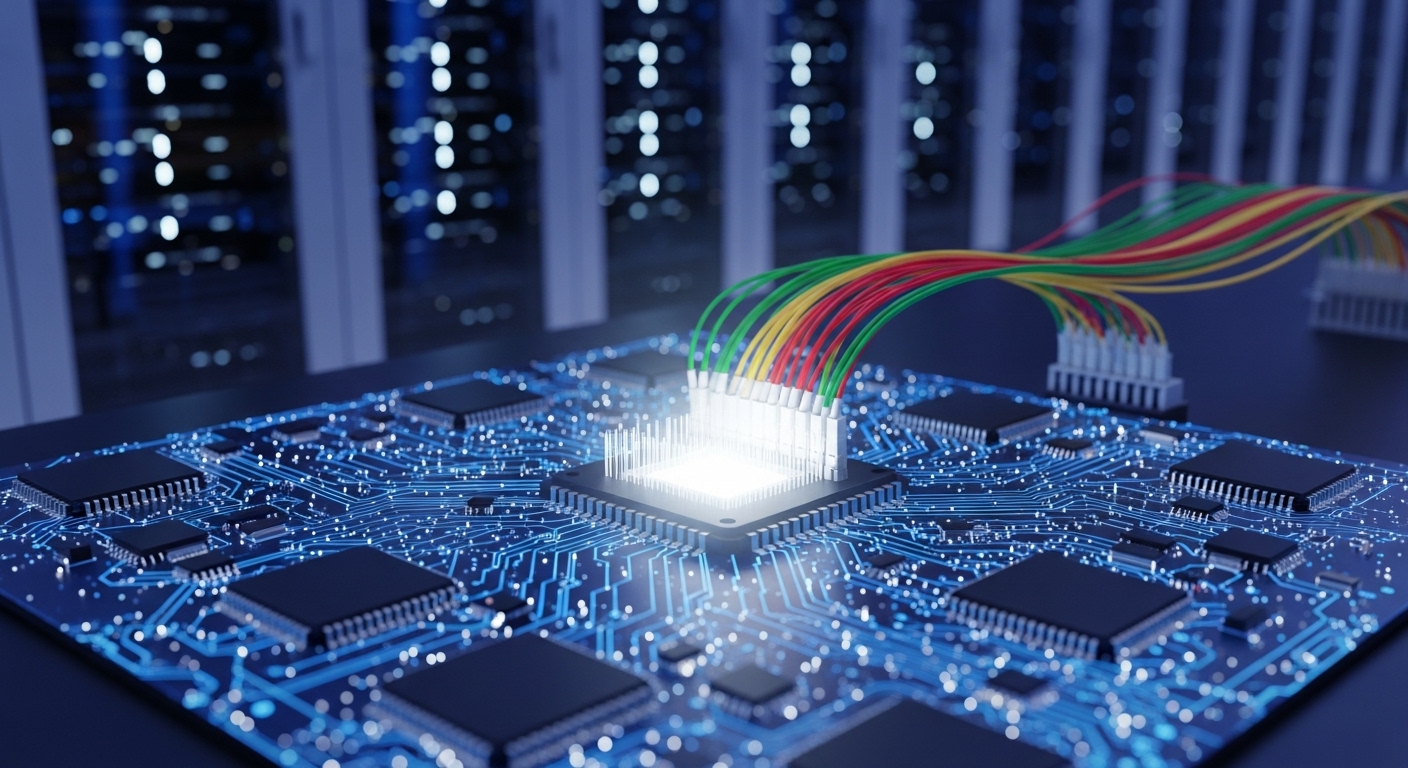
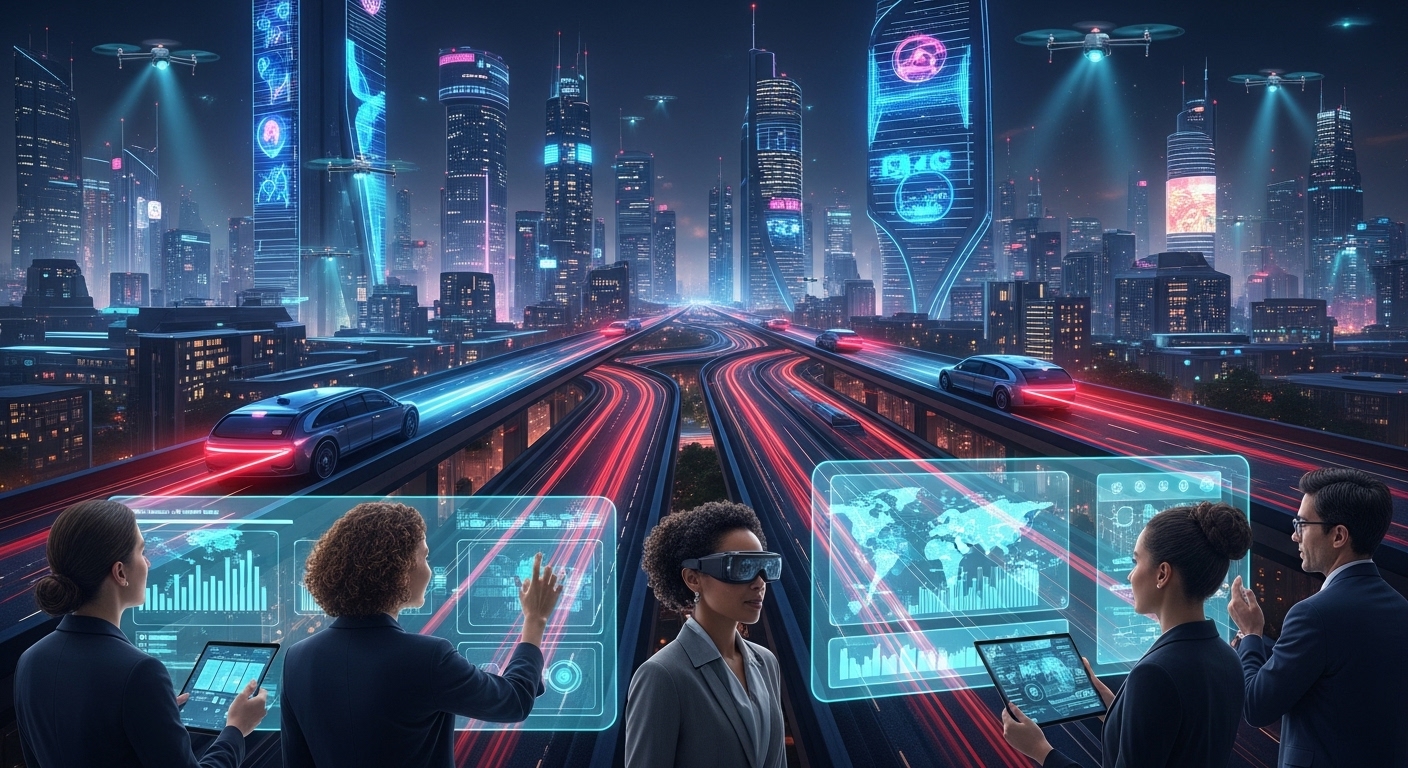
In the blink of an eye, the world has transformed. Where once we lived in an analog age, today we thrive in a constantly evolving digital landscape. Technology isn’t just a part of our lives—it is the backbone of modern civilization, driving industries, influencing culture, and reshaping our daily routines. From artificial intelligence (AI) to the Internet of Things (IoT), the tools and systems we once imagined in science fiction are now tangible realities. But what does this tech-driven future really look like? And how will these innovations continue to impact us?
In this blog post, we dive into the latest tech trends, the potential they hold, and the challenges that accompany this rapid digital evolution.
The Era of Artificial Intelligence: Revolutionizing Every Industry
Artificial Intelligence has come to define the 21st century. Once the stuff of movies and imagination, AI is now at the core of many cutting-edge applications that shape our daily lives. From voice assistants like Siri and Alexa to advanced systems capable of diagnosing diseases, AI is evolving faster than we can keep up with.
AI’s presence is most noticeable in industries like healthcare, finance, and transportation. In healthcare, AI algorithms are being used to analyze medical images with precision and assist doctors in identifying early signs of disease. Financial markets benefit from AI’s ability to process vast amounts of data to predict trends, while in transportation, self-driving cars are steadily making their way into the mainstream.
However, the rapid growth of AI also brings questions about ethics, privacy, and the future of work. Will AI take over jobs traditionally held by humans? How do we ensure that AI operates ethically and without bias? These are pressing questions that society must address as AI continues to evolve.
Quantum Computing: The Frontier of Speed and Power
While most people are familiar with traditional computers, quantum computing represents a paradigm shift in how we process information. Unlike conventional computers that use bits to represent data as either 0 or 1, quantum computers use qubits, which can exist in multiple states simultaneously. This allows them to process complex problems at speeds far beyond what is possible with today’s technology.
Quantum computing has the potential to revolutionize everything from cryptography to drug discovery. In cybersecurity, quantum computers could break existing encryption methods, forcing a complete overhaul of digital security systems. In science, they could help us solve previously unsolvable problems, such as simulating complex molecular interactions for new medicines.
Though quantum computing is still in its infancy, researchers are making significant strides. As we look toward the future, we can expect this technology to unlock capabilities that could change the world in ways we can’t yet fully imagine.
The Internet of Things: Connecting Everything, Everywhere
The Internet of Things (IoT) is rapidly expanding, bringing a new level of connectivity to our everyday lives. IoT refers to the network of devices—ranging from home appliances to wearable tech—that are connected to the internet and can communicate with one another. These connected devices create smarter, more efficient ecosystems that can improve how we live and work.
Consider smart homes, where everything from thermostats to lights to refrigerators is interconnected. Imagine a world where your home learns your preferences, adjusting the temperature when you arrive and reminding you to grab groceries you’ve run out of. In cities, IoT is being used for smart infrastructure, from traffic management to waste collection, improving everything from urban mobility to environmental sustainability.
While the potential is vast, the IoT also brings with it challenges, particularly around privacy and security. With so many devices collecting data, how do we ensure that information remains secure? As IoT continues to grow, these questions will only become more urgent.
5G Networks: The Backbone of Tomorrow’s Connectivity
5G technology promises to reshape the world as we know it by providing faster, more reliable internet connections. While 4G has already revolutionized how we access mobile data, 5G will push those capabilities even further, offering speeds up to 100 times faster than current networks.
For industries like healthcare, 5G will enable real-time remote surgeries and telemedicine consultations, reducing the need for patients to travel long distances. In transportation, autonomous vehicles will rely on 5G’s low-latency connections to communicate with one another, making self-driving cars a more viable option for the future. Additionally, augmented and virtual reality will benefit from 5G’s ability to stream high-quality content with minimal delay, opening up new possibilities for immersive experiences in gaming, education, and entertainment.
However, the rollout of 5G has not been without controversy. Concerns about privacy, the health effects of electromagnetic radiation, and the high cost of infrastructure have made the transition to 5G a subject of debate. Nevertheless, its impact on industries and society is undeniable, and 5G will play a pivotal role in connecting the world in ways previously thought impossible.
Blockchain and Cryptocurrencies: Redefining Trust and Transactions
Blockchain technology has emerged as one of the most disruptive innovations in recent years. At its core, blockchain is a decentralized ledger that allows data to be stored across multiple computers in a way that makes it nearly impossible to alter or hack. This transparency and security make it ideal for applications beyond just cryptocurrencies.
Bitcoin and Ethereum, the two most well-known cryptocurrencies, have brought blockchain into the mainstream. However, blockchain’s potential extends far beyond digital currencies. It has the ability to revolutionize industries such as supply chain management, voting systems, and digital identity verification. By enabling secure, transparent transactions without intermediaries, blockchain could reshape the way we think about trust and ownership in the digital age.
Despite its promise, blockchain is not without its challenges. Scalability, energy consumption, and regulatory concerns are some of the hurdles that still need to be addressed before blockchain technology can be widely adopted. Nevertheless, it remains one of the most exciting areas of innovation in tech today.
Biotechnology and Health Tech: A Healthier Future
Biotechnology and health tech innovations are paving the way for a future where disease prevention, personalized treatment, and even longevity could be significantly improved. From CRISPR gene editing to wearable health trackers, technology is revolutionizing the way we approach healthcare.
One of the most groundbreaking developments in health tech is CRISPR-Cas9, a gene-editing tool that has the potential to cure genetic disorders by making precise changes to a person’s DNA. In addition to genetic research, wearable tech like fitness trackers and smartwatches are enabling individuals to monitor their health in real-time, from tracking heart rate to measuring sleep patterns.
Telemedicine is another area where technology is making waves. With the rise of video consultations, remote monitoring, and health apps, patients can now access healthcare from the comfort of their homes. This shift toward digital healthcare promises to improve access to medical services, especially in underserved regions.
Despite these advancements, challenges around data privacy, accessibility, and ethical considerations in gene editing remain. The medical community and society at large will need to navigate these issues carefully to ensure that technological progress benefits everyone.
The Future of Work: Tech-Driven Innovation in the Workplace
The workplace of tomorrow is going to look very different from the one we know today. With advances in automation, remote work tools, and collaboration technologies, the nature of work is evolving rapidly.
Automation is already taking over repetitive tasks in industries such as manufacturing, while AI and machine learning are assisting with everything from customer service to decision-making. The result is a more efficient, data-driven workplace where humans can focus on higher-level tasks that require creativity and problem-solving.
The rise of remote work, accelerated by the COVID-19 pandemic, has also led to a shift in how organizations operate. Cloud technologies, collaboration tools like Zoom and Slack, and project management platforms have allowed employees to work from anywhere in the world, offering more flexibility and work-life balance than ever before.
However, this transformation also raises questions about job displacement and the need for reskilling. As technology continues to change the work environment, businesses and individuals will need to adapt to ensure that everyone can thrive in the digital-first world.
Conclusion: Embracing the Future with Balance and Responsibility
The future of technology holds limitless potential. From AI and quantum computing to blockchain and biotechnology, we are on the cusp of an era that will reshape every facet of our lives. But with this incredible promise comes the responsibility to ensure that technology is used ethically and for the greater good.
As we move forward into this new technological landscape, we must strike a balance between innovation and responsibility. While embracing progress, we must address the challenges that come with it, ensuring that technology serves humanity and not the other way around. Only by doing so can we ensure that the digital future remains a positive force for everyone.