
Introduction: A World Transformed by Technology
Technology is no longer just an accessory to our lives—it has become the very fabric of modern existence. We live in an age where advancements in tech are not only enhancing our daily experiences but completely redefining how we work, communicate, and even think. With each passing day, innovations across fields such as artificial intelligence, robotics, and connectivity are making the impossible seem commonplace. But as technology continues to evolve at a breakneck pace, it’s essential to understand how it is reshaping our world and what this means for the future.
The Rise of Artificial Intelligence: A Game Changer
Artificial Intelligence (AI) is perhaps the most talked-about technology of the 21st century. What was once a concept relegated to science fiction has now evolved into a practical and transformative force in nearly every industry. From healthcare to finance, AI is being leveraged to improve efficiency, streamline processes, and even make life-saving decisions. Machine learning, a subset of AI, allows systems to learn and improve over time without human intervention. In healthcare, AI algorithms are now helping doctors diagnose diseases with greater accuracy. In retail, personalized shopping experiences are becoming the norm, driven by AI that analyzes consumer behavior and preferences.
AI is not just about replacing human tasks—it’s about amplifying human potential. By handling repetitive or data-intensive tasks, AI frees up humans to focus on more complex and creative endeavors. As AI continues to advance, it will likely become an even more integral part of our daily lives, influencing everything from entertainment recommendations to self-driving cars.
The Internet of Things: Connecting Everything
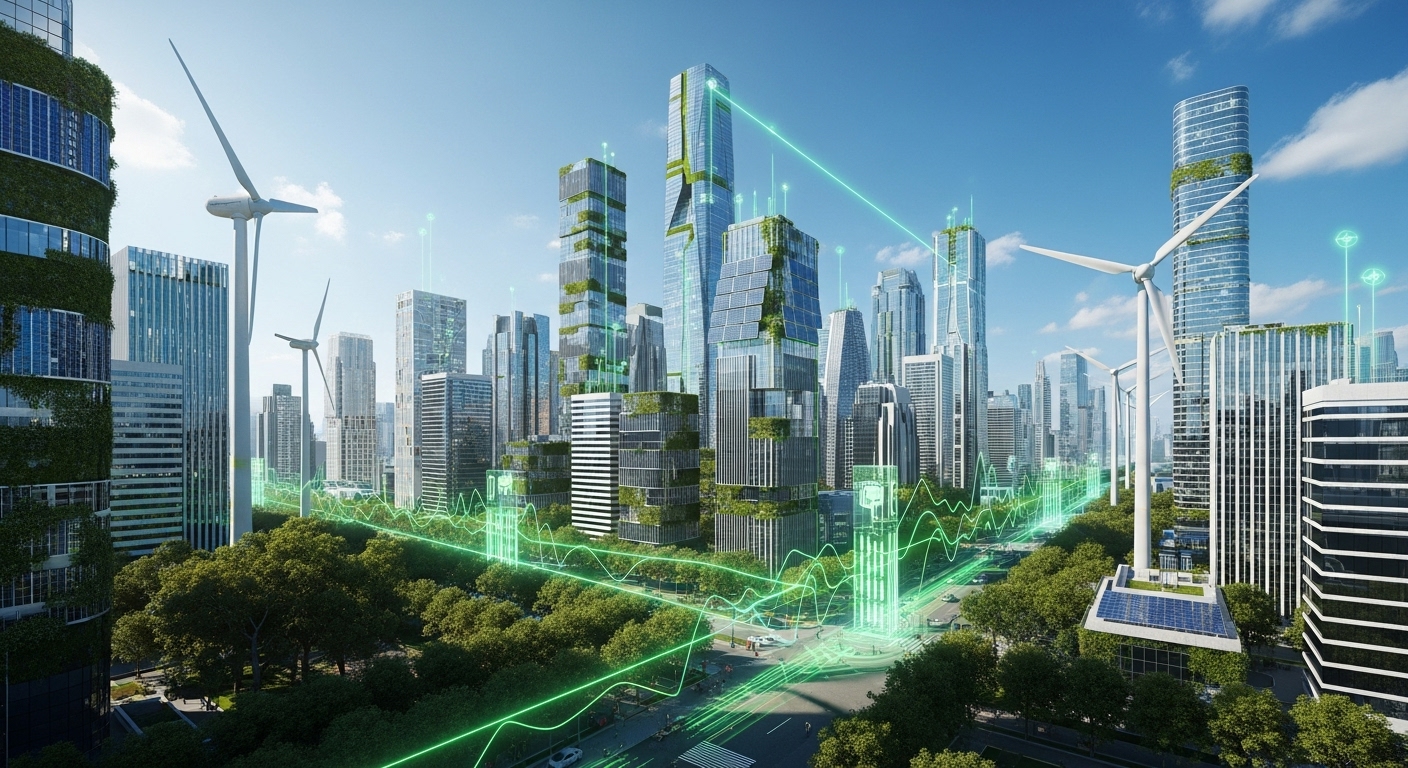
The Internet of Things (IoT) refers to the network of devices, vehicles, and appliances that are connected to the internet, allowing them to communicate and interact with each other. This technology is already beginning to transform our homes, offices, and even cities. Smart homes, for example, can be controlled through smartphones or voice assistants, enabling us to adjust everything from lighting to temperature with a simple command.
IoT is also revolutionizing industries like agriculture, where sensors monitor soil health and weather conditions to optimize crop yields. In healthcare, wearable devices track vital signs and send real-time data to doctors, allowing for proactive health management. With the global network of connected devices growing exponentially, IoT is paving the way for a more efficient, interconnected world.
Blockchain: Beyond Cryptocurrency
Blockchain technology has emerged as a powerful tool with far-reaching applications beyond cryptocurrencies like Bitcoin. Blockchain’s decentralized nature makes it an incredibly secure way to store and share data. In industries such as finance, blockchain is transforming how transactions are verified, reducing the risk of fraud and improving transparency.
But blockchain is not just for finance. Its potential extends to fields like supply chain management, where it can be used to track the provenance of goods, ensuring transparency and preventing fraud. In healthcare, blockchain can help secure medical records, ensuring that patient data is accessible only to authorized individuals. As more industries begin to explore blockchain’s possibilities, it’s clear that this technology will continue to drive innovation and disrupt traditional systems.
Cybersecurity: Protecting a Digital World
As technology evolves, so do the threats to our digital security. With the increasing amount of sensitive data being stored and shared online, cybersecurity has become a critical concern for individuals, businesses, and governments. Cyberattacks are becoming more sophisticated, and traditional methods of protecting data are no longer sufficient.
New advancements in cybersecurity, such as biometric authentication, end-to-end encryption, and AI-driven threat detection, are helping to safeguard our digital identities and sensitive information. The goal is to stay one step ahead of cybercriminals and ensure that the growing digital infrastructure remains secure. As more of our lives move online, cybersecurity will continue to be a vital component of the digital landscape.
The Future of Technology: What’s Next?
As we look to the future, the possibilities of technological innovation seem endless. New technologies such as quantum computing, augmented reality (AR), and 5G are poised to push the boundaries of what’s possible. Quantum computing, for example, could solve complex problems that are currently beyond the reach of traditional computers, with applications in fields like drug discovery, climate modeling, and cryptography.
Augmented reality is already starting to change the way we interact with the world, from immersive gaming experiences to virtual meetings that simulate real-life interactions. Meanwhile, 5G technology promises to revolutionize connectivity, offering faster speeds and more reliable networks, which will enable the proliferation of smart cities, autonomous vehicles, and other futuristic innovations.
Conclusion: Embracing the Change
The rapid advancement of technology is undeniably exciting, but it also presents challenges that must be addressed. Ethical concerns around AI, data privacy issues, and the digital divide are just a few of the obstacles that society must navigate as we continue to integrate technology into every aspect of our lives. However, the potential benefits of these innovations are vast, and by approaching them with a balanced mindset, we can ensure that technology serves to improve our world.
As we move forward, it’s clear that technology will continue to be the driving force behind change, opening up new opportunities and transforming the way we live, work, and communicate. The key to success will be harnessing the power of these innovations while ensuring that they are used responsibly and ethically, for the benefit of all.