Technology is the lifeblood of modern civilization. It touches every aspect of our existence—from the moment we wake up to the sound of a smartphone alarm to the second we fall asleep scrolling through digital screens. It drives industries, connects communities, and defines how we live, work, and think. The journey of technology is not just about machines or inventions; it is the story of human ingenuity, curiosity, and ambition. In this vast and ever-evolving world, technology continues to redefine boundaries, reshaping societies and transforming possibilities into realities.
The Evolution of Technology
The story of technology begins long before the digital age. It started with simple tools made of stone and wood, crafted by early humans to hunt, build, and survive. Over time, these primitive inventions evolved into complex systems of innovation. The wheel, the printing press, and electricity marked milestones in the history of human advancement. Each invention built the foundation for the next, accelerating progress across generations.
The industrial revolution in the 18th and 19th centuries brought machinery, factories, and mass production, forever changing economies and societies. Steam engines, telegraphs, and railroads connected people and goods like never before. The 20th century introduced another leap—computers, automobiles, aviation, and telecommunications. These innovations set the stage for the digital era that dominates the modern world.
What distinguishes the present age is the exponential speed of advancement. Innovations that once took centuries now happen within years, sometimes months. This acceleration is driven by information technology, artificial intelligence, and automation. Humanity now stands on the edge of an era where the line between science fiction and reality blurs.
The Digital Revolution
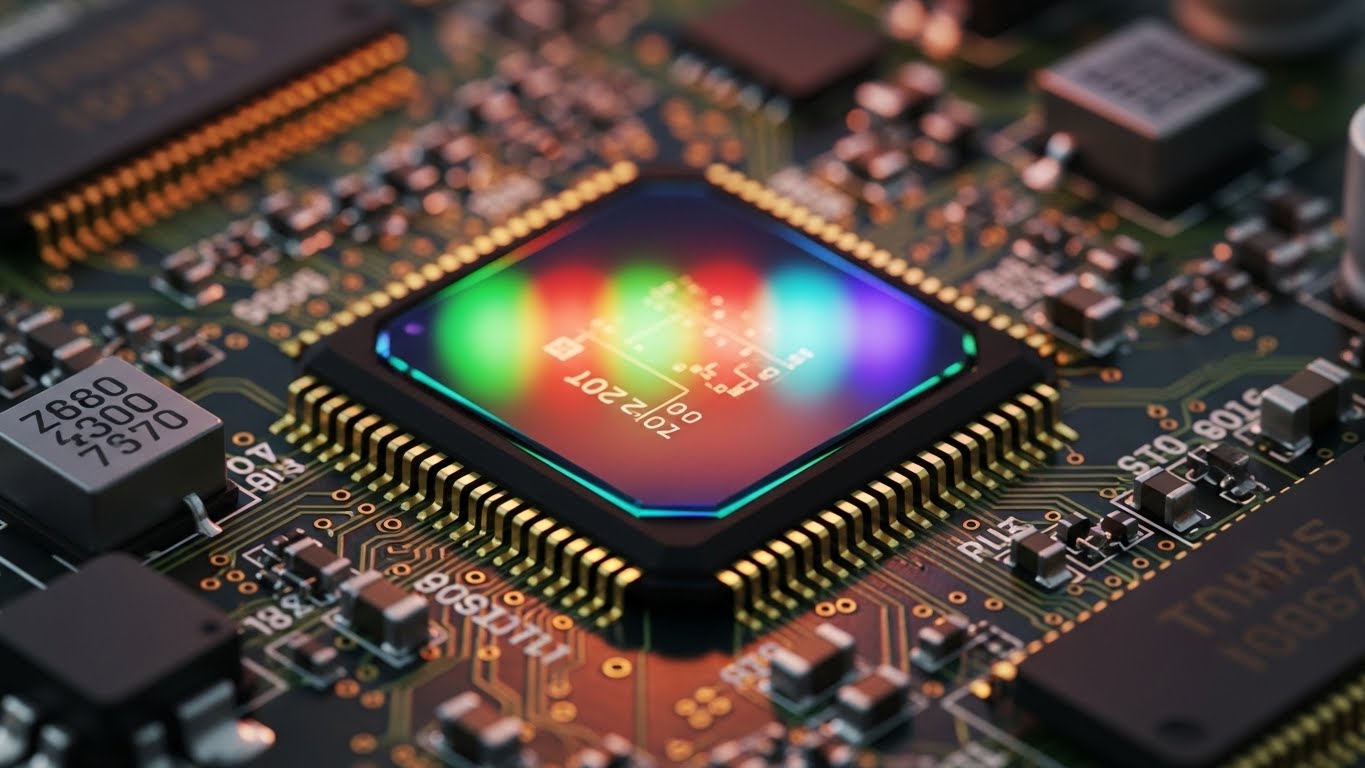
The digital revolution is one of the most defining transformations in human history. It began with the creation of computers, which quickly evolved from massive, room-sized machines to portable devices that fit in our pockets. The invention of the microchip made this transformation possible, enabling rapid computation and data storage.
The birth of the internet revolutionized communication and knowledge sharing. Suddenly, information that once required hours in libraries or research centers became accessible within seconds. Email replaced traditional letters, and websites became the new storefronts, libraries, and entertainment centers.
As the internet expanded, new technologies followed—cloud computing, smartphones, and wireless communication. The digital ecosystem began to dominate every sector. Business operations shifted online, education became virtual, and social interactions transformed into digital connections. The revolution was not just technological but cultural, reshaping human relationships and expectations.
Artificial Intelligence and Machine Learning
Artificial Intelligence, often referred to as AI, represents the next frontier of technological evolution. Once a theoretical concept, AI is now embedded in almost everything around us. From voice assistants that respond to commands to recommendation algorithms that predict our preferences, AI has become an invisible force driving modern life.
Machine learning, a branch of AI, allows systems to learn from data and improve over time without explicit programming. This ability to analyze patterns, make predictions, and adapt is revolutionizing industries. Healthcare uses AI to detect diseases earlier and personalize treatment. Finance relies on it for fraud detection and risk assessment. Manufacturing uses it to automate processes, while education employs it for personalized learning experiences.
AI’s potential is limitless, but it also brings challenges. Ethical questions about data privacy, job displacement, and algorithmic bias continue to spark debate. Yet, despite these concerns, AI remains one of the most transformative innovations of the 21st century. It symbolizes humanity’s attempt to create machines that can think, reason, and even imagine.
The Rise of Automation and Robotics
Automation has long been associated with efficiency and productivity. From assembly lines in factories to robotic arms in warehouses, machines have taken over repetitive and labor-intensive tasks. However, the latest wave of automation extends beyond manufacturing—it touches logistics, agriculture, healthcare, and even creative industries.
Robotics has advanced far beyond mechanical repetition. Modern robots are intelligent, adaptable, and capable of performing complex tasks. Surgical robots assist doctors with precision procedures, drones monitor agriculture and deliver packages, and humanoid robots provide companionship and support in elderly care.
While automation boosts productivity, it also challenges the traditional job market. Many fear that robots and AI might replace human labor on a massive scale. However, history shows that technology often creates new opportunities even as it eliminates old ones. The key lies in adaptation—developing new skills and embracing new forms of work.
The Internet of Things
The Internet of Things, or IoT, refers to the interconnected network of devices that communicate and share data with one another. From smart home appliances to industrial sensors, IoT has created a web of intelligent systems that make daily life more convenient and efficient.
In homes, IoT enables automation through smart thermostats, lighting, and security systems. In industries, it helps monitor machinery, track inventory, and optimize operations. Cities are becoming “smart” through IoT, managing traffic, waste, and energy consumption with data-driven precision.
The power of IoT lies in its ability to gather and analyze massive amounts of data. This information helps make better decisions, predict outcomes, and improve performance. However, with this connectivity comes a major concern—security. As more devices connect, the risk of cyberattacks and data breaches increases, making cybersecurity more critical than ever.
The Role of Cybersecurity
In the digital age, information is the new currency, and protecting it is essential. Cybersecurity has become one of the most important fields in technology, safeguarding data, privacy, and infrastructure from malicious attacks.
Hackers and cybercriminals constantly evolve their techniques, targeting individuals, corporations, and governments. From ransomware attacks to phishing scams, cyber threats can cause massive financial and reputational damage. In response, cybersecurity experts develop advanced encryption, firewalls, and AI-driven monitoring systems to detect and neutralize threats in real time.
Yet, cybersecurity is not just about technology; it’s about awareness. Individuals must play their part by using strong passwords, updating software, and being cautious online. As society becomes more dependent on digital systems, the demand for cybersecurity professionals continues to rise, making it one of the most critical and fast-growing sectors in the world.
Cloud Computing and Data Revolution
Data is often described as the “oil” of the modern age, and cloud computing is the engine that processes it. Cloud technology allows users and businesses to store and access data remotely, freeing them from the limitations of physical storage. This innovation has transformed how organizations operate, collaborate, and scale.
The cloud supports a vast array of services—data storage, application hosting, and analytics. Businesses use it to streamline operations, reduce costs, and enhance flexibility. It also plays a vital role in enabling technologies like AI, big data, and remote work.
For individuals, cloud computing powers everyday activities such as storing photos, streaming music, and backing up files. Its scalability and accessibility make it one of the cornerstones of modern computing.
The World of Mobile Technology
Mobile technology has perhaps had the most personal impact on modern life. Smartphones have become an extension of human identity—tools for communication, entertainment, learning, and productivity. The evolution of mobile devices from basic phones to powerful computers in our hands represents one of the most significant shifts in technological history.
Applications, or apps, have turned smartphones into all-in-one devices. Whether it’s banking, gaming, shopping, or health monitoring, there’s an app for everything. Mobile technology has also fueled the rise of social media, transforming how people connect and share their lives.
As 5G networks expand, mobile technology is entering a new era of speed and connectivity. With ultra-fast data transmission, 5G will enable seamless virtual reality experiences, smarter IoT systems, and more responsive remote technologies. The mobile revolution continues to evolve, showing no signs of slowing down.
The Emergence of Virtual and Augmented Reality
Virtual Reality (VR) and Augmented Reality (AR) represent a new dimension of technological experience. VR immerses users in fully digital environments, while AR overlays digital elements onto the real world. Together, they are transforming industries ranging from entertainment and gaming to education and medicine.
In gaming, VR allows players to step inside virtual worlds, offering unparalleled immersion. In education, it helps students explore concepts through interactive simulations. In healthcare, surgeons use AR to visualize anatomy during operations, improving accuracy and outcomes.
The possibilities for VR and AR are limitless. As hardware becomes more affordable and content more diverse, these technologies are expected to become mainstream, reshaping how people interact with both digital and physical environments.
Renewable Energy and Sustainable Technology
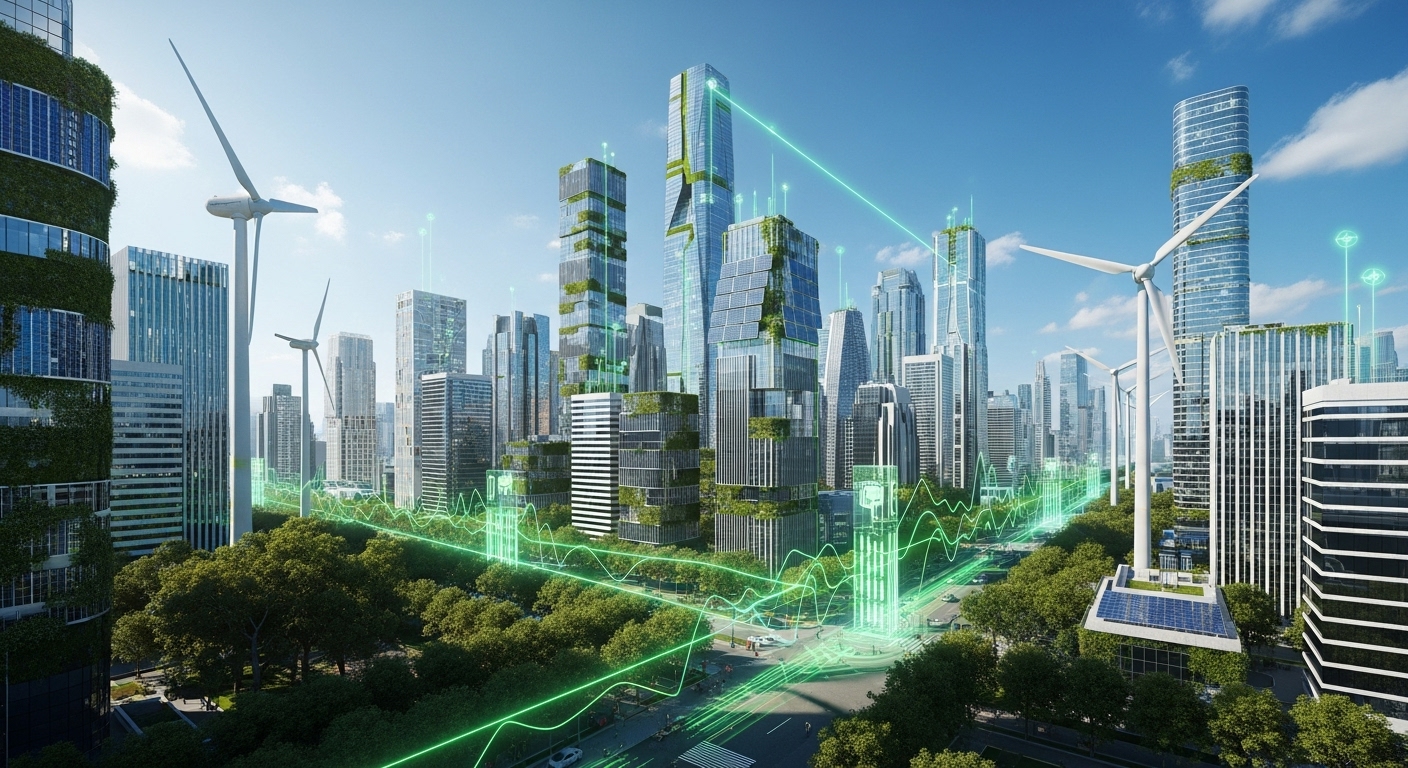
Technology is not just about digital progress; it also plays a crucial role in addressing global challenges like climate change. Renewable energy technologies, such as solar panels, wind turbines, and electric vehicles, are leading the charge toward a sustainable future.
Innovations in energy storage, battery efficiency, and smart grids are making renewable energy more reliable and accessible. Green technologies also extend to sustainable agriculture, waste management, and water purification, ensuring that technological progress aligns with environmental preservation.
As awareness of environmental issues grows, more companies are adopting sustainable practices, investing in clean technologies, and developing eco-friendly products. The combination of technology and sustainability offers hope for a future where progress and responsibility go hand in hand.
Biotechnology and the Future of Health
Advancements in biotechnology are redefining healthcare and human longevity. From genetic engineering to personalized medicine, technology is unlocking new ways to understand and treat diseases.
One of the most revolutionary breakthroughs is CRISPR, a gene-editing technology that allows scientists to modify DNA with precision. This could potentially eliminate genetic disorders and open pathways to curing previously incurable diseases.
Wearable health devices, AI diagnostics, and telemedicine are making healthcare more accessible and efficient. Patients can now monitor vital signs in real time and consult doctors remotely. Technology is transforming healthcare from a reactive system to a proactive one focused on prevention and wellness.
Space Technology and Exploration
The dream of space exploration is no longer limited to astronauts and scientists. Advances in technology have made space more accessible than ever before. Rockets, satellites, and robotic missions are expanding our understanding of the universe and our place within it.
Private companies are playing a major role in this new era of exploration, pushing innovation and competition. The development of reusable rockets, miniaturized satellites, and space-based research platforms has opened new frontiers in communication, navigation, and science.
Beyond exploration, space technology has practical applications on Earth—from weather forecasting and GPS navigation to disaster management. The growing interest in space tourism and colonization further demonstrates humanity’s limitless curiosity and ambition.
The Human Side of Technology
While technology enhances our lives, it also reshapes human behavior and relationships. The digital world has made communication easier, yet sometimes more distant. The constant flow of information can overwhelm and isolate individuals, even as it connects them globally.
Balancing technology with humanity is one of the greatest challenges of our time. Innovation must always serve people, not replace them. Ethical design, inclusivity, and empathy are essential as we continue to build tools that influence our daily lives.
The next step in technological evolution should focus on harmony—between humans and machines, progress and privacy, efficiency and empathy.
Conclusion
Technology is the story of human progress—a reflection of our ability to imagine, create, and transform. From the first spark of fire to the rise of artificial intelligence, every innovation has shaped who we are and who we will become.
As the world races toward an increasingly digital and interconnected future, technology will continue to redefine every aspect of life. It offers limitless potential to solve problems, connect people, and unlock new frontiers. But with great power comes great responsibility. The choices humanity makes today will determine whether technology becomes a force for unity and growth or division and dependency.
In the end, technology is not just about machines—it’s about people. It is about how creativity, curiosity, and compassion can work together to build a smarter, fairer, and more sustainable world for generations to come.