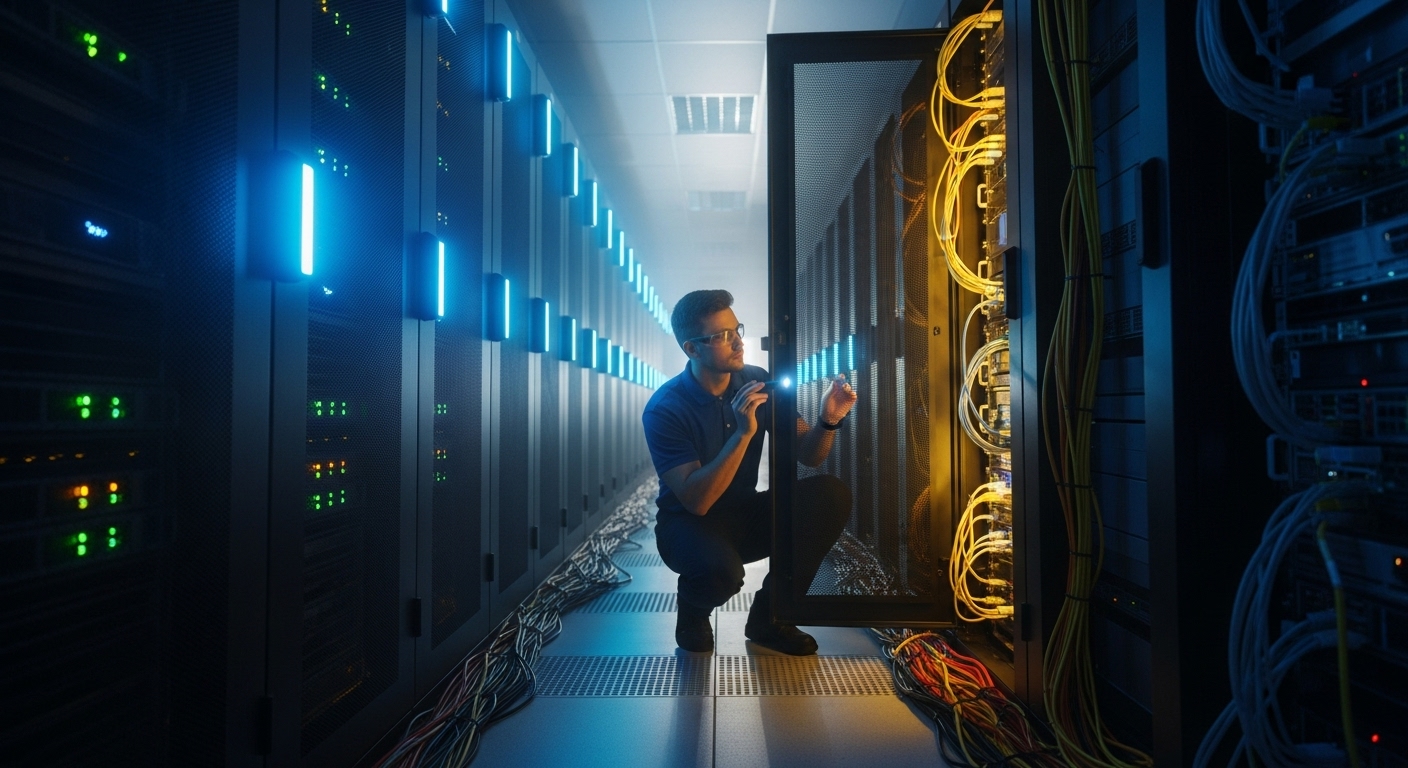

Technology is not just a tool; it is the foundation of modern civilization. From smartphones to artificial intelligence, cloud computing to quantum technology, the world is moving at a pace faster than ever before. Every aspect of human life is being reimagined, reshaped, and revolutionized by technological innovation. This blog explores the vast world of technology, its evolution, current trends, future possibilities, and the challenges that come with it.
The Evolution of Technology
Technology began as a simple means to make life easier. The earliest humans shaped stones into tools and weapons. Over time, inventions such as the wheel, electricity, and the printing press gave birth to modern innovation. The Industrial Revolution changed manufacturing forever by introducing machinery.
The invention of computers in the twentieth century transformed the way humans process information. Early machines like ENIAC were massive and had limited functions, but they laid the foundation for everything we use today. Over time, computers became smaller, faster, and more affordable, leading to the personal computer era.
The Internet was one of the biggest leaps in human history. It connected people across continents, created new industries, and opened access to knowledge for everyone. Today, technology has entered every home through smartphones, which serve as computers, cameras, televisions, and personal assistants all in one.
The Digital Age and its Impact on Society
Today we live in the digital age. Information travels across the world in seconds, and people are more connected than ever before. Social media platforms have given people the ability to share their thoughts, talents, and businesses with millions around the globe. E-commerce has transformed how people buy and sell products, making shopping possible from a mobile phone.
Healthcare has advanced significantly because of technology. Machines like MRI scanners, robotic surgery tools, and telemedicine platforms have saved countless lives. Education has also evolved. Students now attend virtual classrooms, study with online resources, and interact with teachers from different countries.
However, with all these benefits come new challenges. Privacy concerns, cybercrime, and misinformation are some of the problems created by rapid digital growth. While technology improves our lives, it also demands responsibility and awareness.
Smartphones and Mobile Technology
Smartphones are perhaps the most impactful invention of the twenty-first century. These devices are more powerful than the computers used to land humans on the moon. A smartphone combines communication, entertainment, photography, payments, and navigation into a single device.
Mobile applications, or apps, are essential parts of smartphone technology. Apps make it possible to order food, book a ride, learn a language, play games, or control smart home devices. App development has become a major industry that provides opportunities for developers around the world.
The arrival of 4G and now 5G networks has made internet access faster and more reliable. 5G can support millions of connected devices, making it the backbone of the Internet of Things. With this technology, smart cities, autonomous vehicles, and advanced robotics become possible.
Artificial Intelligence and Machine Learning
Artificial Intelligence, or AI, is one of the most promising technologies of our time. AI enables machines to think, learn, and make decisions. Machine learning is a part of AI that teaches computers to learn from data instead of being programmed for every task.
AI is everywhere today. Virtual assistants like Siri and Google Assistant understand voice commands and help users with daily tasks. AI algorithms recommend movies, suggest music, and even filter spam emails. In healthcare, AI can detect diseases from medical images faster than human doctors.
Machine learning models are trained using large amounts of data. This training helps them recognize patterns, make predictions, and improve over time. Deep learning, a more advanced form of machine learning, uses artificial neural networks that mimic the human brain.
Although AI offers many benefits, it also raises ethical questions. People worry that AI may take over jobs, make biased decisions, or invade privacy. Therefore, responsible AI development is essential for a safe future.
Cloud Computing and the Power of Connectivity
Cloud computing has transformed how businesses store and process data. Instead of using physical servers in offices, companies can rent storage and computing power from large data centers. This reduces costs and increases flexibility.
Cloud services are divided into categories such as Infrastructure as a Service, Platform as a Service, and Software as a Service. These services allow businesses and individuals to store their information securely, run applications, and access them from anywhere.
Cloud computing supports remote work, which has become more popular around the world. People can collaborate on documents, attend virtual meetings, and manage projects from different locations. It has also allowed startups to innovate without investing in expensive hardware.
The Internet of Things and Smart Living
The Internet of Things, or IoT, connects everyday devices to the internet. These devices collect and share data, making life more efficient and convenient. Smartwatches track health activities. Smart refrigerators can tell when food is running low. Smart thermostats adjust temperature based on usage patterns.
IoT is also used in industries, traffic systems, agriculture, and hospitals. Farmers use sensors to measure soil moisture and improve farming techniques. Doctors monitor patients remotely with connected medical devices.
Smart homes are a major part of IoT. People can control lights, fans, cameras, and even doors using smartphones or voice assistants. This brings comfort, energy savings, and security.
Cybersecurity and Digital Safety
As technology grows, so does the need for cybersecurity. Cybersecurity protects computers, networks, and data from unauthorized access and cyberattacks. Cybercriminals use various methods like malware, phishing, and ransomware to steal information or harm systems.
People can protect themselves by using strong passwords, updating software, and being careful when opening unknown links or emails. Companies need advanced firewalls, encryption, and security policies to protect sensitive data.
Governments around the world are making laws to protect digital rights and punish cybercriminals. Cybersecurity professionals are in high demand and play an important role in making the digital world safer.
Blockchain Technology and Digital Currencies
Blockchain is a technology that records information securely in a chain of blocks. Each block contains data and is linked to the previous block, making it nearly impossible to change or hack. This technology is the foundation of digital currencies.
Digital currencies are virtual money that can be used for online transactions. They are stored in digital wallets, and transactions are verified by computers across a network rather than a central authority.
Blockchain is not only for digital money. It can be used in supply chains, voting systems, medical records, and smart contracts. Smart contracts automatically execute agreements when certain conditions are met.
Though blockchain offers transparency and security, it also faces challenges like high energy use and regulatory concerns.
Augmented Reality and Virtual Reality
Augmented Reality, or AR, adds digital elements to the real world using devices like smartphones or smart glasses. Virtual Reality, or VR, creates a completely digital environment that users can interact with using VR headsets.
AR is used in mobile games, shopping, and education. People can try furniture in their rooms using AR apps before buying it. Students can learn anatomy by seeing 3D models of the human body in real space.
VR is popular in gaming, but it is also used in training pilots, surgeons, and soldiers. It provides realistic simulations that help learners practice without risk.
Mixed Reality combines both AR and VR, creating experiences where digital and physical objects interact seamlessly.
Automation and Robotics
Automation uses machines to perform tasks with minimal human involvement. Robotics is the branch of technology that builds robots to carry out specific tasks. Robots are used in factories to assemble cars, in warehouses to move products, and in hospitals to assist with surgeries.
Service robots are becoming more common. They clean floors, serve food, and even deliver packages. Drones are used for photography, delivery, and rescue operations.
Automation improves efficiency and reduces human error. However, some people worry that robots will replace human jobs. While some jobs will disappear, new jobs in robot maintenance, programming, and engineering will emerge.
The Future of Transportation
Transportation is undergoing a major transformation due to technology. Electric vehicles are becoming popular as they reduce pollution and dependence on fossil fuels. They use rechargeable batteries and have fewer moving parts than traditional cars.
Self-driving cars, or autonomous vehicles, use sensors, cameras, and AI to navigate without a human driver. These vehicles are being tested worldwide. They can reduce accidents caused by human error and make transportation more efficient.
High-speed trains and hyperloop systems promise faster travel between cities. Flying taxis and delivery drones may become a normal part of urban transport in the future.
Quantum Computing and the Next Technological Leap
Quantum computing is a new type of computing that uses the principles of quantum physics. Traditional computers use bits, which are either 0 or 1. Quantum computers use quantum bits, or qubits, which can be both 0 and 1 at the same time. This allows them to solve complex problems much faster than current computers.
Quantum computing can revolutionize fields like medicine, climate modeling, cryptography, and artificial intelligence. It can simulate molecules to help create new medicines or improve weather predictions.
However, building quantum computers is extremely difficult. They require special environments with very low temperatures and maximum stability. Researchers around the world are working hard to make quantum technology practical.
Sustainable Technology and Green Innovations
The rapid growth of technology has also led to environmental concerns. Factories, data centers, and electronic waste contribute to pollution and climate change. That is why sustainable technology is becoming important.
Green technology focuses on reducing environmental impact. Solar panels, wind turbines, and hydropower are renewable energy sources that reduce carbon emissions. Electric vehicles and energy-efficient appliances also contribute to a cleaner planet.
Companies are developing biodegradable materials and recycling techniques to reduce electronic waste. Modern buildings are designed to use less electricity, water, and resources.
The Role of Education in Technological Growth
Education plays a key role in shaping the future of technology. Schools and universities now teach coding, robotics, and data science. Students learn how to think critically, solve problems, and innovate.
Online courses allow anyone with an internet connection to learn new skills. This creates equal opportunities for people from different regions and backgrounds.
Collaboration between educational institutions and technology companies helps students gain real-world experience. Internships, workshops, and research programs prepare the next generation of engineers, scientists, and entrepreneurs.
Ethics and Technology
As technology becomes powerful, ethics become more important. Ethical technology means creating solutions that are fair, transparent, and respectful of human rights.
Companies must ensure user data is protected and not misused. AI systems should be designed without bias. Facial recognition and surveillance tools must be used responsibly.
Laws and regulations are being developed to ensure technology does not harm society. Governments, businesses, and individuals must work together to create a safe and ethical digital world.
Conclusion
Technology is a journey, not a destination. It continues to grow, evolve, and surprise humanity in ways once thought impossible. From artificial intelligence to quantum computing, from smart homes to space exploration, technology has become the heartbeat of modern life.
The future holds endless possibilities, but it also comes with responsibilities. To create a better world, technology must be used wisely, ethically, and sustainably. If guided with care and innovation, it will continue to shape a brighter future for generations to come.