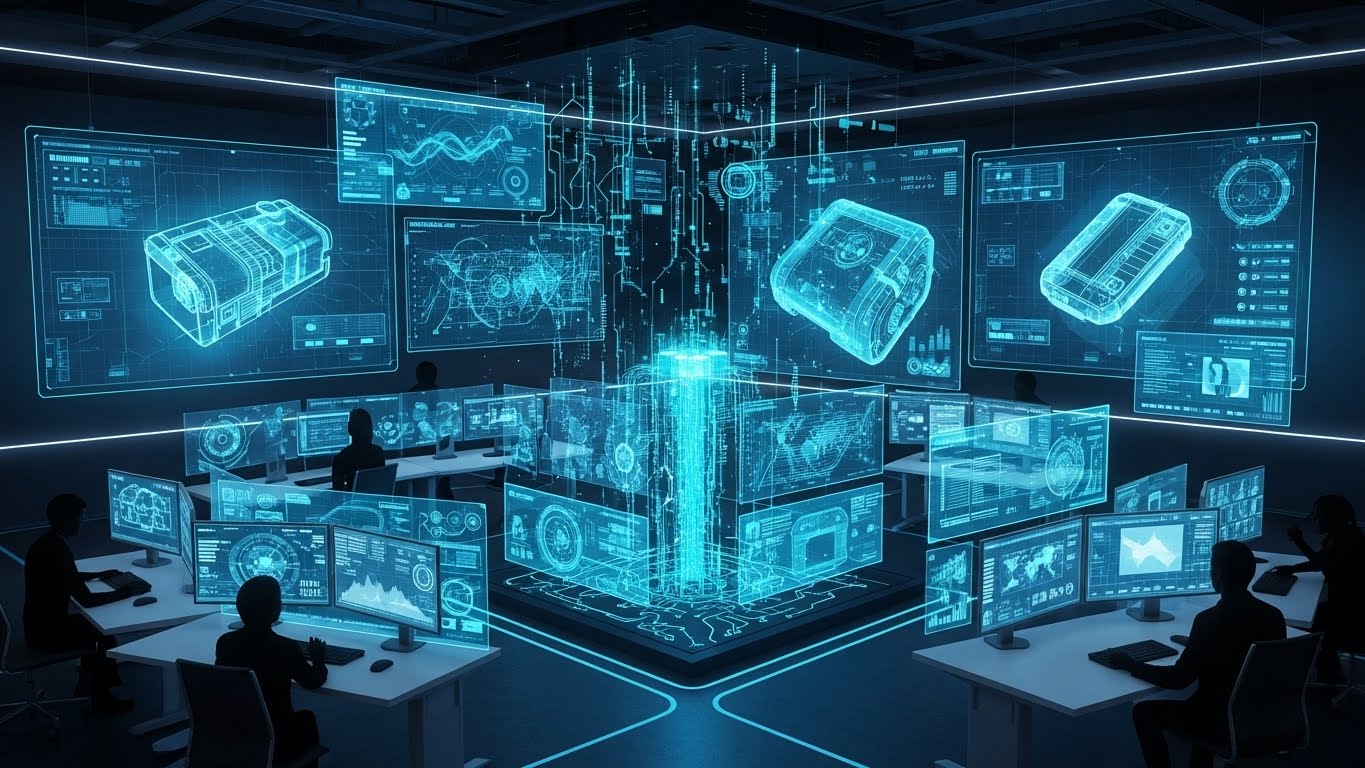

Introduction: Technology as the Cornerstone of Modern Life
In the past few decades, technology has evolved at an unprecedented pace, reshaping the way humans live, work, and communicate. From the invention of the internet to the rise of artificial intelligence, technological innovation has become an integral part of daily life. The impact of technology is not limited to computers or smartphones; it stretches into healthcare, education, transportation, and even how societies interact. The fusion of innovation and human needs has created a landscape where technology is no longer just a tool—it is an essential part of our existence. Understanding the current trends and future possibilities is crucial for navigating the complex world of modern technology.
The Rise of Artificial Intelligence
Artificial Intelligence, commonly known as AI, is no longer a futuristic concept—it is already embedded in various aspects of daily life. AI algorithms power search engines, recommend videos on streaming platforms, and even assist in medical diagnoses. The ability of AI to learn, adapt, and process vast amounts of data makes it a powerful tool for problem-solving. In industries such as finance, AI is used for fraud detection and predictive analytics, while in healthcare, it helps in predicting disease outbreaks and providing personalized treatment plans. As AI continues to develop, ethical considerations regarding privacy, job displacement, and decision-making must also evolve alongside technological capabilities.
The Internet of Things: Connecting Everything
The Internet of Things, or IoT, represents a network of interconnected devices that communicate with each other to optimize human life. From smart homes that adjust lighting and temperature automatically to wearable devices that track health metrics, IoT has revolutionized the way people interact with their environment. Beyond individual convenience, IoT is transforming industries like agriculture, logistics, and manufacturing. Smart sensors can monitor soil conditions to improve crop yield, track shipments to enhance supply chain efficiency, and automate production lines for better quality control. The proliferation of IoT devices also brings challenges, particularly in cybersecurity, as more connected devices increase potential vulnerabilities.
Blockchain: Redefining Trust and Security
Blockchain technology, initially popularized by cryptocurrencies, has far-reaching applications beyond digital currency. At its core, blockchain is a decentralized, immutable ledger that ensures transparency and security. Industries such as finance, healthcare, and supply chain management are leveraging blockchain to improve data integrity and reduce fraud. For example, blockchain can track the origin of goods, ensuring authenticity and ethical sourcing. In healthcare, patient records stored on a blockchain can provide secure and seamless access to authorized medical professionals. As blockchain technology matures, it has the potential to revolutionize trust-based systems, making transactions more transparent and reliable.
Virtual Reality and Augmented Reality: Transforming Experiences
Virtual Reality (VR) and Augmented Reality (AR) are reshaping the way people experience entertainment, education, and professional training. VR immerses users in a fully digital environment, making it possible to explore distant places or simulate real-life scenarios. AR, on the other hand, overlays digital information onto the physical world, enhancing the perception of reality. In education, AR can bring historical events to life or provide interactive science experiments, while in healthcare, VR simulations help train surgeons without risking patient safety. The convergence of VR and AR is also influencing retail, marketing, and tourism, creating engaging and interactive experiences for consumers.
5G Technology: The Backbone of Connectivity
The rollout of 5G networks is a game-changer for connectivity and communication. Unlike previous generations of mobile networks, 5G offers ultra-fast speeds, low latency, and the ability to connect millions of devices simultaneously. This advancement enables seamless video streaming, real-time gaming, and enhanced virtual and augmented reality applications. In addition, 5G is critical for the development of smart cities, autonomous vehicles, and industrial automation. With such capabilities, the world is moving toward a fully connected ecosystem where devices communicate efficiently and human productivity is enhanced. The widespread adoption of 5G will redefine how people interact with technology on a global scale.
Sustainable Technology: Balancing Innovation and Environment
As technology advances, sustainability has become a critical consideration. Green technology focuses on creating products and systems that minimize environmental impact while maximizing efficiency. Renewable energy solutions like solar panels and wind turbines, electric vehicles, and energy-efficient smart homes are examples of sustainable tech. Beyond hardware, software solutions also contribute by optimizing energy usage, reducing waste, and promoting circular economy practices. Balancing technological innovation with environmental responsibility ensures that progress does not come at the expense of the planet, enabling a sustainable future for generations to come.
Cybersecurity: Protecting the Digital Frontier
With the increasing reliance on technology, cybersecurity has emerged as a vital concern for individuals and organizations alike. Cyber threats, ranging from data breaches to ransomware attacks, have grown in sophistication and frequency. Protecting sensitive information requires a multi-layered approach that includes encryption, secure authentication, and proactive monitoring. Artificial intelligence and machine learning are also being employed to detect anomalies and predict potential threats. As technology continues to evolve, cybersecurity strategies must adapt to keep pace, ensuring that the digital world remains a safe space for innovation and collaboration.
The Role of Technology in Healthcare
Technology is transforming healthcare in ways previously unimaginable. Advanced diagnostic tools, wearable health monitors, telemedicine, and AI-driven treatment plans have made healthcare more accessible, personalized, and efficient. Telemedicine, for instance, allows patients in remote areas to consult specialists without traveling long distances. AI algorithms can analyze medical images faster and with high accuracy, aiding in early detection of diseases. Robotics in surgery enhances precision and reduces recovery time. These technological advancements not only improve patient outcomes but also optimize healthcare systems, making them more resilient and responsive.
Education and Technology: A Paradigm Shift
Education has undergone a significant transformation with the integration of technology. Digital classrooms, online courses, and interactive learning tools have expanded access to education globally. Learning management systems and AI-powered tutoring platforms enable personalized learning experiences, catering to the unique needs of each student. Virtual labs and simulations provide practical exposure without physical limitations, while educational apps and games make learning engaging and effective. The fusion of technology and education not only bridges knowledge gaps but also equips students with critical digital skills necessary for the future workforce.
The Future of Work: Automation and Human Collaboration
Automation and artificial intelligence are redefining the nature of work. While repetitive tasks are increasingly handled by machines, humans are focusing on creativity, critical thinking, and complex problem-solving. Industries such as manufacturing, logistics, and customer service are witnessing a shift in workforce dynamics, where collaboration between humans and machines enhances productivity. Remote work technologies, cloud computing, and collaborative platforms have further transformed workplace environments, offering flexibility and efficiency. Preparing for the future of work requires upskilling, reskilling, and embracing technological tools that complement human capabilities.
Challenges in Technological Advancement
Despite its benefits, rapid technological advancement comes with challenges. Ethical concerns surrounding AI, data privacy, digital addiction, and the digital divide pose significant societal questions. The pace of innovation often outstrips regulatory frameworks, leading to gaps in governance and accountability. Additionally, technological dependency can create vulnerabilities, from cybersecurity threats to overreliance on automated systems. Addressing these challenges requires a balanced approach that fosters innovation while ensuring ethical, equitable, and sustainable use of technology.
Conclusion: Embracing the Technological Future
The trajectory of technology is moving toward a future where innovation and human life are intricately intertwined. From artificial intelligence and blockchain to virtual reality and 5G, the possibilities are immense, promising efficiency, convenience, and enhanced experiences. However, navigating this landscape requires responsibility, ethical considerations, and adaptability. By understanding technological trends, embracing sustainable practices, and prioritizing cybersecurity, societies can harness the full potential of technology. The future is not just about machines and software—it is about how technology empowers humans, enriches lives, and bridges the gap between imagination and reality.