Introduction to the World of Technology
Technology has become the backbone of human progress and modern civilization. From early inventions like the wheel and printing press to advanced systems such as artificial intelligence and quantum computing, technology has continuously shaped how society evolves. In the twenty-first century, the speed at which technology advances is faster than at any time in history. Today, it affects how we work, communicate, learn, travel, and even think. This blog explores the evolving world of technology, its influence on different domains, and the innovations that are transforming the world.
The Digital Revolution
The digital revolution began in the late twentieth century with the rise of computers and the internet. It completely changed how information is created, stored, and shared. Unlike traditional analog methods, digital technology allowed data to be compressed, transferred, and processed at incredible speeds. Computers transitioned from bulky machines in laboratories to compact devices on every desk and in every pocket.
The internet became the global platform that connected people from different continents instantly. Communication tools like emails, messaging apps, and video calls turned into daily essentials. Businesses started shifting to digital platforms, using online services to reach more customers. Education became more accessible through online courses and digital libraries. Over time, entire industries were restructured around the power of digitalization.
The Rise of Smartphones and Mobile Technology
One of the biggest milestones in technology was the introduction of smartphones. A smartphone combined a computer, camera, telephone, and entertainment device in one compact machine. With mobile internet connectivity, smartphones enabled users to browse the web, chat with friends, order products, pay bills, and even work remotely. Mobile apps created a global marketplace of services.
Over time, smartphones evolved with better cameras, faster processors, and enhanced security features like fingerprint and face recognition. Features such as augmented reality, cloud synchronization, and artificial intelligence assistants added new dimensions to user experience. Mobile technology pushed innovation in sectors like mobile banking, e-commerce, navigation, gaming, and remote healthcare.
Artificial Intelligence and Machine Learning
Artificial intelligence is the science of creating machines that can perform tasks traditionally requiring human intelligence. These include understanding language, recognizing images, making decisions, and learning from experience. Machine learning is a branch of AI that allows systems to analyze data and improve their performance over time without being explicitly programmed for every task.
Today, AI powers voice assistants, recommendation systems, self-driving cars, medical diagnosis tools, and fraud detection software. AI has become a key technology in industries such as finance, healthcare, manufacturing, education, and entertainment. It helps businesses make faster and smarter decisions by analyzing large datasets with accuracy.
Machine learning algorithms are trained on data to identify patterns and make predictions. Deep learning, which uses artificial neural networks, allows machines to perform complex tasks like recognizing faces or understanding speech. As AI continues to evolve, it brings immense possibilities but also raises ethical concerns about privacy, job displacement, and decision-making transparency.
The Role of Cloud Computing
Cloud computing revolutionized how data is stored and processed. Instead of saving files on local devices, people and organizations can store them on remote servers that are accessible from anywhere with an internet connection. These servers are managed by cloud providers who handle maintenance and security.
Cloud computing offers several advantages such as scalability, cost efficiency, and flexibility. Businesses no longer need to invest heavily in physical infrastructure. They can rent storage space and processing power depending on their needs. It also facilitates remote work by enabling teams to collaborate in real time on shared platforms.
Different cloud models exist, including public cloud, private cloud, and hybrid cloud. Services are provided in formats such as Infrastructure as a Service, Platform as a Service, and Software as a Service. Cloud technology supports modern innovations like big data analytics, AI infrastructure, and global content delivery systems.
Big Data and Data Analytics
In the digital age, data is often referred to as the new oil. Every online activity generates data, whether it is browsing websites, shopping online, streaming videos, or using social media. Big data refers to huge volumes of structured and unstructured data that grow at high speed. Traditional methods of data processing are not sufficient to handle such large amounts of information.
Data analytics involves examining this data to uncover patterns, trends, and useful insights. Companies use data analytics to understand customer behavior, improve products, optimize operations, and make informed decisions. Governments use data to plan cities, manage resources, and predict economic changes.
Technologies like Hadoop and Spark provide platforms for processing and managing big data. Predictive analytics uses historical data to forecast future outcomes. Real-time analytics enables businesses to make instant decisions. As data grows, the demand for data scientists and analysts continues to increase.
Internet of Things and Smart Devices
The Internet of Things refers to the network of physical devices connected to the internet that can communicate and exchange data. This includes smartphones, smartwatches, home appliances, sensors, and industrial machines. These devices collect data from their surroundings and can be controlled remotely.
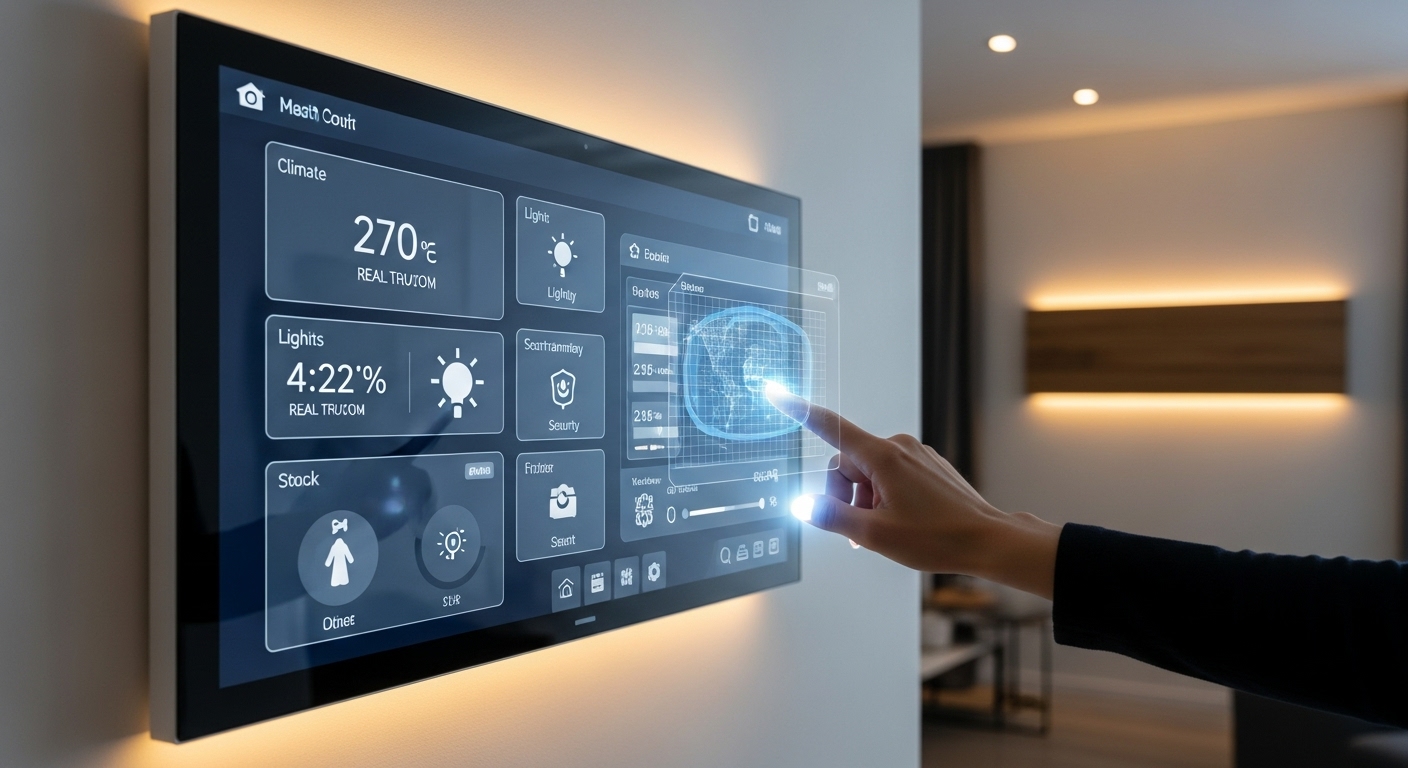
Smart homes are a popular application of IoT. Devices like smart lights, thermostats, security cameras, and voice-controlled assistants create a comfortable and secure living environment. In agriculture, IoT devices monitor soil moisture, weather conditions, and crop health. In healthcare, wearable devices track heart rate, sleep patterns, and physical activity.
Industries use IoT to improve efficiency by monitoring machinery, predicting maintenance needs, and reducing energy consumption. While IoT brings convenience, it also raises concerns about data privacy and the security of connected devices.
Cybersecurity in the Digital Era
As the world becomes more digital, the risk of cyber threats increases. Cybersecurity is the practice of protecting computer systems, networks, and data from unauthorized access or damage. Common threats include malware, phishing, ransomware, and hacking attempts.
Individuals and organizations must follow cybersecurity practices such as using strong passwords, enabling two-factor authentication, updating software, and avoiding suspicious links. Companies invest in firewalls, encryption, intrusion detection systems, and security policies to protect their data.
Cybersecurity professionals are responsible for monitoring threats, responding to attacks, and developing secure systems. Ethical hacking is used to test vulnerabilities in systems before malicious hackers exploit them. With the rise of cloud computing, IoT, and AI, cybersecurity continues to be a critical area of technology.
Blockchain and Digital Currencies
Blockchain is a decentralized digital ledger that records transactions across multiple computers. Once information is added to the blockchain, it cannot be altered easily. This makes it secure and transparent. Blockchain technology gained attention through digital currencies, but its uses go far beyond that.
Digital currencies, also known as cryptocurrencies, allow peer-to-peer transactions without the need for banks. They use blockchain to ensure secure and transparent transfers. While they are highly volatile, cryptocurrencies have opened discussions about the future of money and financial systems.
Blockchain can also be applied in supply chain management, voting systems, healthcare records, and digital identity. It helps in reducing fraud, tracking products, and ensuring data integrity. Smart contracts are self-executing agreements stored on the blockchain that automatically execute when predefined conditions are met.
Automation and Robotics
Automation refers to using machines and technology to perform tasks with little or no human intervention. Robotics is a field that designs and develops robots to carry out specific tasks. Together, automation and robotics are transforming industries by increasing efficiency, reducing errors, and lowering costs.
In manufacturing, robots assemble products, weld parts, and package items. Automated systems in warehouses manage inventory, pick items, and prepare shipments. In agriculture, robots plant seeds, harvest crops, and monitor soil health. In healthcare, robotic surgery allows doctors to perform precise operations.
However, automation also raises concerns about job displacement. While machines take over repetitive tasks, new jobs are created in programming, maintenance, and system design. The challenge lies in upskilling workers to adapt to technological changes.
Virtual Reality and Augmented Reality
Virtual reality creates immersive digital environments that users can explore using headsets. Augmented reality overlays digital information onto the real world through devices like smartphones and smart glasses. Both technologies offer interactive and engaging experiences.
In gaming, VR transports players into realistic virtual worlds. AR enhances games by blending digital characters into physical surroundings. In education, VR allows students to explore historical sites or scientific simulations. AR helps medical students visualize organs during training.
Architects use VR to present virtual tours of buildings before construction. Retailers use AR to let customers see how furniture looks in their homes. These technologies have practical applications in training, entertainment, tourism, and design.
5G and the Future of Connectivity
Wireless communication has advanced from 1G to 5G. Each generation improved speed, reliability, and connectivity. 5G is the latest generation, offering faster data transfer, lower latency, and greater device connectivity. It supports technologies like IoT, AI, and autonomous vehicles.
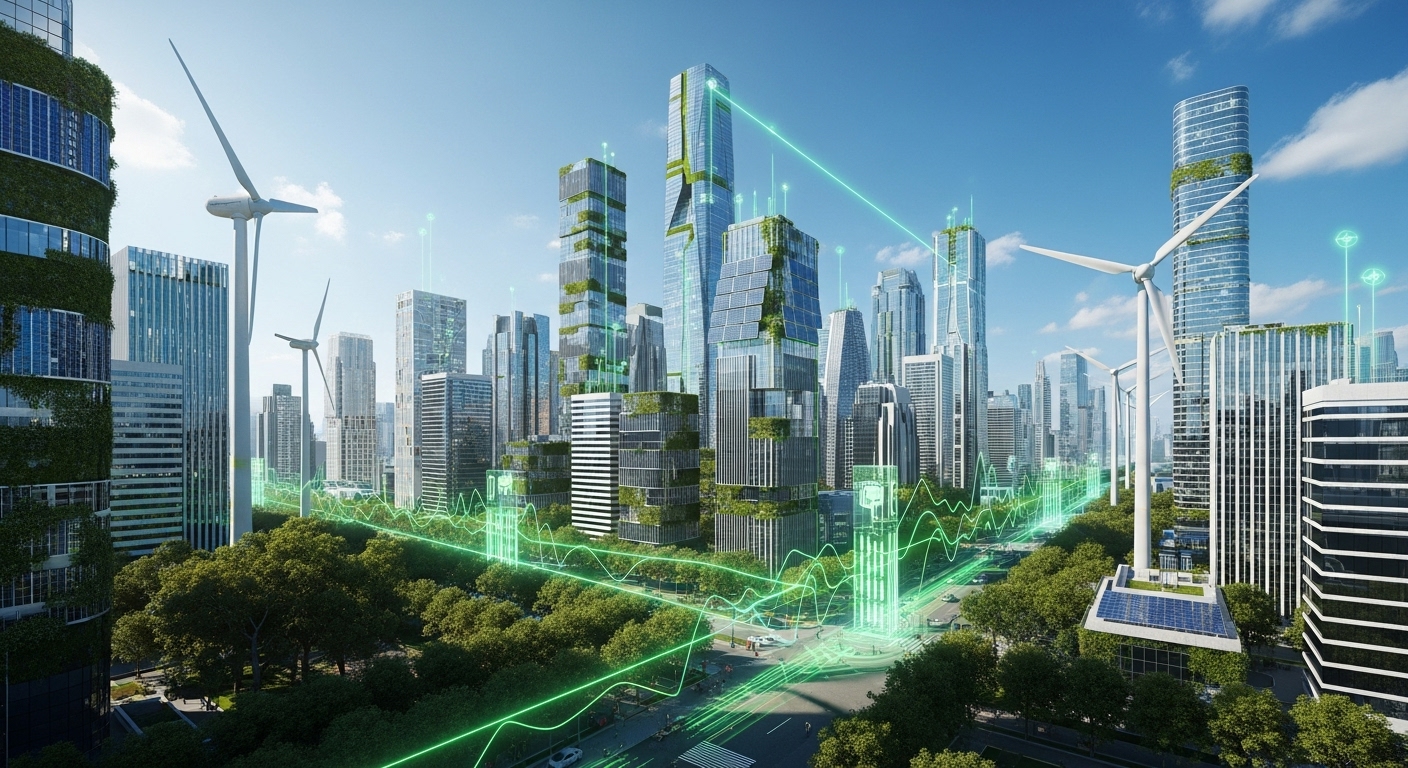
With 5G, users can download large files in seconds, stream high-quality videos without buffering, and experience faster online gaming. Smart cities rely on 5G to connect traffic lights, sensors, and public services. Autonomous vehicles use 5G to communicate with each other and the infrastructure around them.
However, the deployment of 5G requires significant investment in infrastructure. Concerns about health effects and data privacy have also been raised, although scientific studies continue to explore these issues.