
In today’s world, technology is no longer just a tool—it’s a driving force that influences nearly every aspect of our daily lives. From the way we communicate and work to how we entertain ourselves and interact with the environment, technology has redefined our reality. In this blog post, we will explore the future of technology, delve into key innovations shaping the tech landscape, and examine the potential impacts these advancements might have on society.
1. The Rise of Artificial Intelligence: Beyond Automation
Artificial Intelligence (AI) has been one of the most transformative technologies of the past decade. While AI has already made significant strides in areas such as automation, machine learning, and natural language processing, its future potential extends far beyond what we’ve seen so far.
AI is poised to revolutionize industries like healthcare, finance, and education. In healthcare, AI-driven systems can analyze medical data faster and more accurately than human doctors, leading to earlier diagnoses and more personalized treatments. In finance, AI is enabling more precise risk analysis, fraud detection, and algorithmic trading. Similarly, in education, AI-powered tools are allowing for personalized learning experiences that cater to the unique needs of each student.
As AI continues to evolve, we can expect it to not only streamline existing processes but also to create entirely new industries and jobs. However, this rapid pace of innovation also raises concerns about job displacement and ethical considerations around AI decision-making, which society will need to address moving forward.
2. 5G and the Future of Connectivity
5G, the fifth generation of mobile network technology, promises to bring faster speeds, lower latency, and more reliable connections than ever before. With its ability to support a massive increase in connected devices, 5G is set to enable a wide range of innovations, including the growth of the Internet of Things (IoT), smart cities, and autonomous vehicles.
One of the most exciting prospects of 5G is its potential to revolutionize how we interact with technology in real-time. For example, augmented reality (AR) and virtual reality (VR) applications will be able to provide more immersive experiences with reduced lag, while remote surgery and telemedicine will become more feasible due to the ultra-low latency of 5G networks.
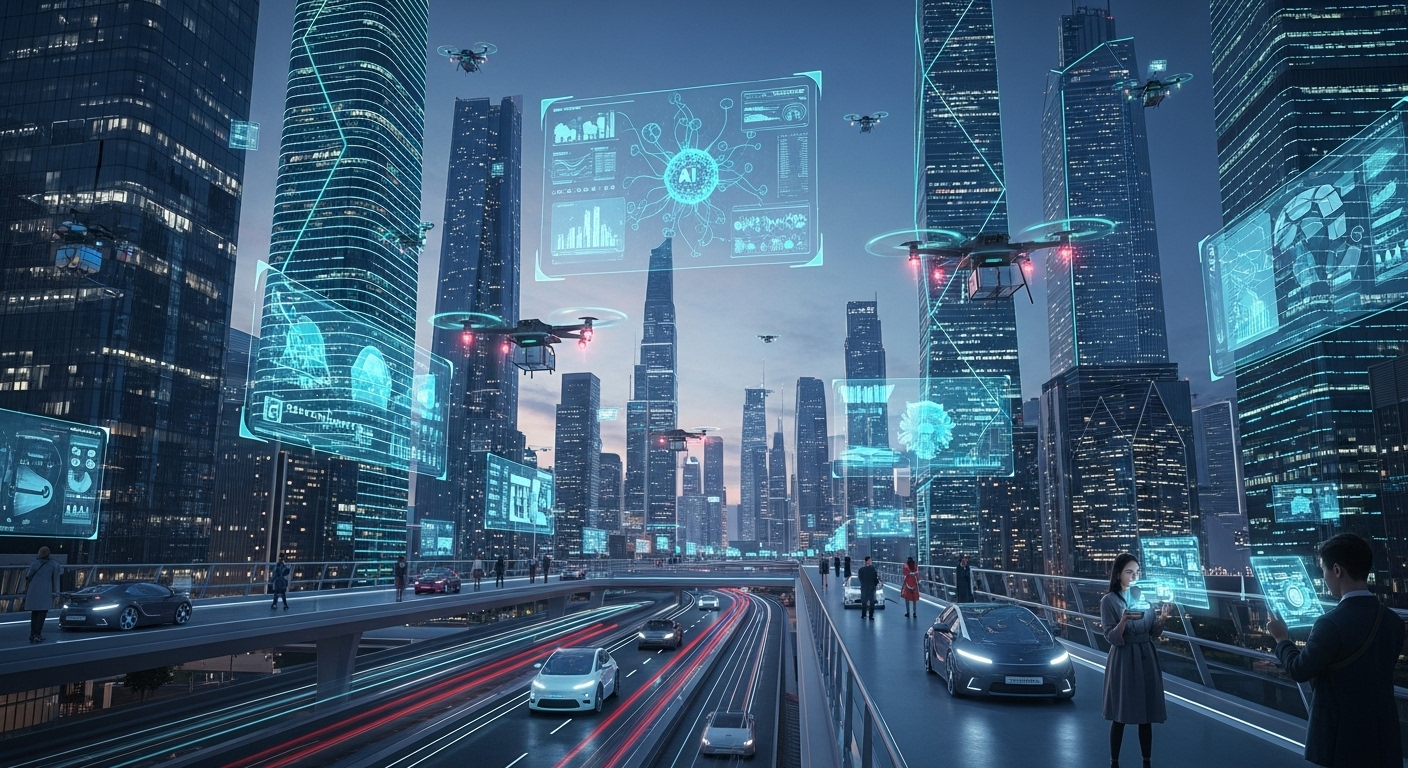
The widespread rollout of 5G networks will also facilitate the development of smart cities, where everything from traffic management to energy consumption can be optimized through connected devices and sensors. This level of connectivity will not only improve convenience but also increase efficiency and sustainability in urban areas.
3. Blockchain Technology: More Than Just Cryptocurrency
When most people think of blockchain, they immediately think of cryptocurrencies like Bitcoin or Ethereum. While blockchain technology has indeed revolutionized the financial world, its applications extend far beyond digital currencies. In fact, blockchain is poised to impact a wide range of industries, from supply chain management and healthcare to voting systems and intellectual property protection.
At its core, blockchain is a decentralized and distributed ledger technology that ensures transparency, security, and immutability. In industries like supply chain management, blockchain can be used to track the movement of goods, ensuring authenticity and preventing fraud. In healthcare, it could enable secure and interoperable patient data sharing across different providers, improving care coordination and patient outcomes.
In addition, blockchain has the potential to enhance digital identity verification, protect intellectual property, and even streamline cross-border payments and remittances. As the technology matures, we can expect to see more widespread adoption across various sectors.
4. Quantum Computing: Unlocking Unimaginable Possibilities
Quantum computing is one of the most exciting and enigmatic fields in modern technology. Unlike classical computers, which process information in binary (0s and 1s), quantum computers leverage the principles of quantum mechanics to process data in ways that were once thought impossible. By using qubits—quantum bits—quantum computers can perform certain types of calculations at speeds that are orders of magnitude faster than the most powerful supercomputers of today.
The potential applications of quantum computing are vast and could lead to breakthroughs in fields ranging from cryptography and materials science to drug discovery and climate modeling. For instance, quantum computers could be used to simulate complex chemical reactions, accelerating the development of new pharmaceuticals and materials.
However, quantum computing is still in its infancy, and significant technical challenges remain before it becomes commercially viable. Researchers are working to overcome issues related to qubit stability, error correction, and scalability, but it will likely be several years before quantum computing becomes mainstream.
5. The Growth of the Internet of Things (IoT)
The Internet of Things (IoT) refers to the interconnected network of physical devices that communicate and exchange data over the internet. These devices can range from everyday household items like smart thermostats and refrigerators to industrial sensors and autonomous machines. As IoT technology advances, it promises to bring even greater connectivity and automation to our lives.
In the home, IoT-enabled devices can make our lives more convenient and energy-efficient. Smart appliances, for example, can optimize energy usage based on our habits, while smart security systems can provide real-time alerts if any unusual activity is detected. In industries such as manufacturing and agriculture, IoT sensors can monitor equipment performance and environmental conditions, improving efficiency and reducing downtime.
The continued growth of IoT will create new opportunities for innovation, but it also raises concerns about data privacy and security. As more devices become connected, the risk of cyberattacks and data breaches increases, making it essential to implement robust security measures.
6. Sustainable Technology: Innovation for a Greener Future
As the world faces growing concerns about climate change and environmental degradation, sustainable technology is becoming an increasingly important focus of innovation. From renewable energy sources like solar and wind power to electric vehicles and carbon capture technologies, there is a growing emphasis on creating solutions that reduce our environmental impact.
One of the most promising areas of sustainable tech is clean energy. Advances in solar and wind energy technologies are making these renewable sources more efficient and cost-effective, while innovations in energy storage are helping to address the intermittency issues associated with renewable power generation. Electric vehicles (EVs) are also becoming more affordable and accessible, with advancements in battery technology enabling longer ranges and faster charging times.
In addition to clean energy, technologies like vertical farming, sustainable materials, and water purification systems are helping to address pressing global challenges such as food security and water scarcity. By integrating sustainability into technological development, we can work towards a more sustainable future for generations to come.
7. The Ethics of Technology: Navigating the Moral Landscape
As technology continues to evolve at a rapid pace, it is crucial to consider the ethical implications of these advancements. Issues such as data privacy, artificial intelligence ethics, and the potential for surveillance are becoming more pressing as new technologies are deployed.
For instance, AI systems have the potential to make decisions that significantly impact individuals’ lives, such as in hiring, law enforcement, and healthcare. Ensuring that these systems are fair, transparent, and accountable is essential to avoid bias and discrimination. Similarly, the growing collection of personal data by tech companies raises concerns about privacy and the potential for misuse.
To navigate these ethical challenges, it is important for technologists, policymakers, and society as a whole to engage in ongoing dialogue and establish guidelines for responsible innovation. By addressing these issues proactively, we can ensure that technology serves the greater good while minimizing harm.
8. Conclusion: Embracing the Future with Caution and Optimism
The future of technology is undeniably exciting, filled with possibilities that could change the world in ways we can barely imagine. From AI and 5G to blockchain and quantum computing, these innovations have the potential to revolutionize industries, improve lives, and solve some of humanity’s most pressing problems.
However, as we embrace these advancements, it is essential to approach them with a sense of responsibility and foresight. The ethical, social, and environmental implications of these technologies must be carefully considered to ensure that their benefits are maximized while minimizing any negative consequences.
Ultimately, the key to navigating the future of technology lies in balancing innovation with caution, embracing change while remaining mindful of its broader impact. As we continue to push the boundaries of what’s possible, we must also work to create a future that is inclusive, sustainable, and equitable for all.