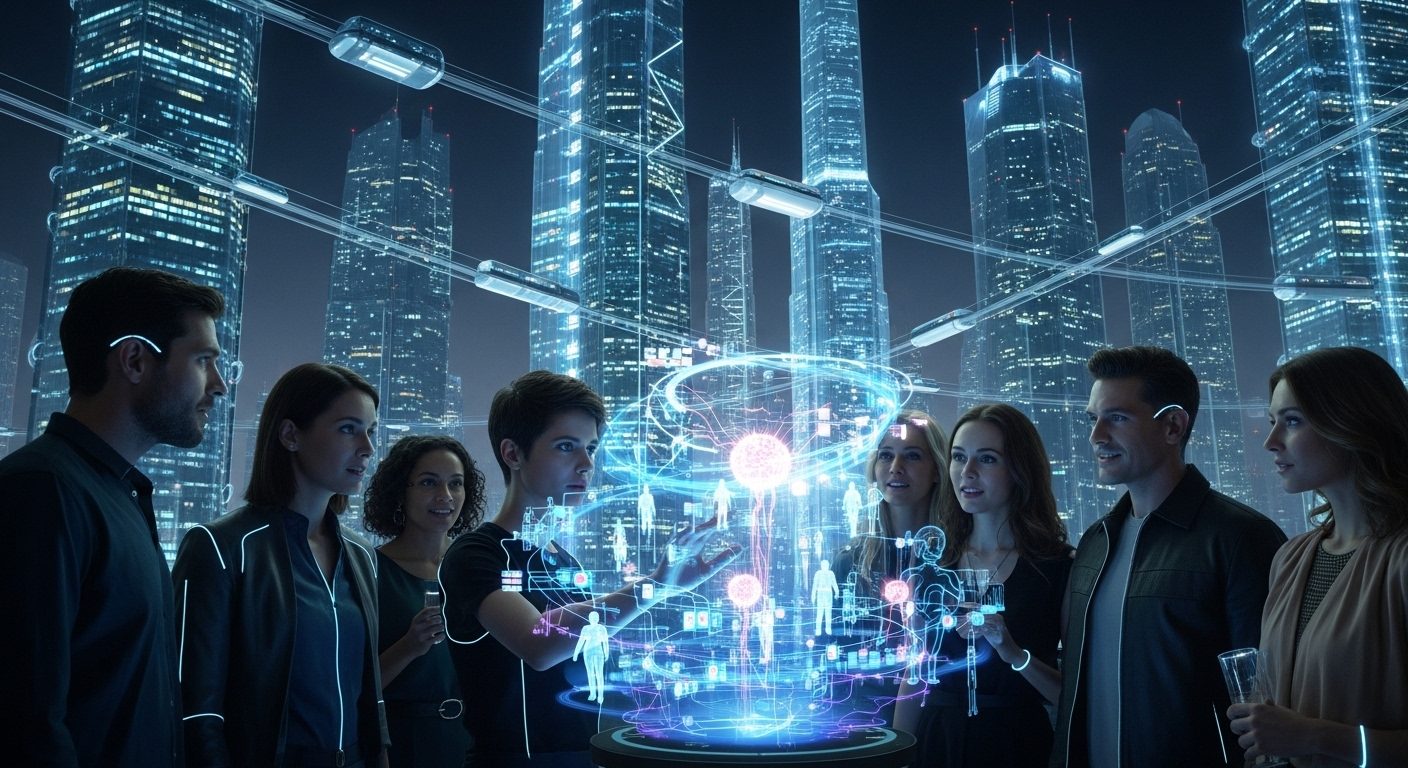
Technology has always been the driving force behind human progress. From the earliest tools carved out of stone to the most advanced quantum computers of today, technology has continuously redefined how we live, work, and think. It is an unstoppable wave of innovation that touches every corner of our lives — reshaping economies, transforming societies, and influencing our identities. The 21st century, in particular, has been marked by an unprecedented acceleration in technological advancement. Every decade brings new revolutions that redefine what is possible, and the pace only continues to increase.
In this post, we’ll journey through the evolution of modern technology, examining its profound impact on society, the workplace, communication, and even our personal psychology. We’ll also explore what the future might hold as we step further into an age dominated by artificial intelligence, biotechnology, and digital ecosystems.
The Dawn of the Digital Age
The late 20th century laid the foundation for what we now call the digital age. The personal computer revolution of the 1980s and the rise of the Internet in the 1990s created a new world order where information became as valuable as gold. As computing power grew and hardware became more affordable, homes, schools, and offices began filling with devices that connected people to an expanding global network.
The early 2000s marked a turning point. The Internet evolved from static web pages into interactive spaces. This was the era of blogs, online forums, and early social networks. Websites were no longer just digital brochures; they became living communities. Companies realized that being online was not an option — it was essential.
With faster broadband and more powerful processors, technology began to merge seamlessly with entertainment, communication, and commerce. The seeds of e-commerce, online education, and social media had been planted, and the digital landscape was ready to bloom.
The Smartphone Revolution
If there was one invention that changed modern life more than any other, it was the smartphone. When Apple released the first iPhone in 2007, it didn’t just introduce a new gadget; it changed how humans interact with technology altogether. A phone was no longer just a communication device — it became a pocket-sized computer capable of managing nearly every aspect of life.
Soon after, Android entered the market, sparking fierce competition that pushed innovation forward. The smartphone became the center of the digital ecosystem, connecting seamlessly with laptops, tablets, and wearable devices. Apps became the new currency of the digital world, turning developers into the architects of the modern economy.
The smartphone revolution also democratized access to information. With just a few taps, anyone could read the news, learn new skills, share their opinions, and start a business. Entire industries were born from the palm of our hands — ride-sharing, mobile banking, food delivery, and countless others.
However, the convenience came with consequences. The rise of social media apps transformed how people communicate, but it also gave birth to new challenges such as addiction, misinformation, and privacy concerns. The smartphone, for all its power, became a double-edged sword — a symbol of both liberation and dependency.
The Rise of Artificial Intelligence
Artificial Intelligence, or AI, has emerged as the defining technology of the 21st century. What began as a theoretical concept in computer science has now evolved into a tangible force shaping nearly every industry. From healthcare to finance, from entertainment to education, AI systems are transforming how decisions are made and how services are delivered.
At its core, AI is about teaching machines to learn from data and make intelligent decisions. Early versions of AI could only perform narrow tasks, such as playing chess or recognizing basic speech. But with the explosion of big data and powerful machine learning algorithms, AI now possesses capabilities once thought impossible.
Voice assistants like Siri and Alexa introduced AI to everyday life, while tools that generate text, images, and music are redefining creativity. In medicine, AI helps detect diseases earlier and with greater accuracy. In manufacturing, it optimizes production lines and predicts equipment failures. In education, adaptive learning systems personalize lessons for every student.
Yet, the growing influence of AI raises deep ethical questions. Who owns the data that fuels these systems? How can we prevent bias in algorithms that make critical decisions? What happens to human jobs as automation becomes more capable? These questions are now at the center of technological discourse, reminding us that progress must be guided by principles as well as innovation.
Cloud Computing and the Era of Connectivity
The shift from physical hardware to virtual infrastructure changed how businesses and individuals use technology. Cloud computing revolutionized data storage and software distribution, allowing users to access applications and files from anywhere with an Internet connection.
This development not only increased flexibility but also reduced costs. Companies no longer needed to maintain massive data centers; instead, they could rent computing power as needed. Cloud-based tools became essential for collaboration, particularly during the global pandemic when remote work became the norm.
From streaming platforms to enterprise management systems, nearly every modern digital service relies on cloud technology. It’s the invisible backbone of the digital world, ensuring that data flows seamlessly across devices, continents, and time zones.
However, with convenience came concerns over security and privacy. Centralized data storage made cyberattacks more devastating, leading to a growing demand for encryption, multi-factor authentication, and stronger cybersecurity measures.
The Internet of Things: When Everything Connects
As the digital world expanded, physical objects began to join the network. The Internet of Things (IoT) refers to the interconnected web of devices — from thermostats and cars to factory machines and medical implants — that communicate and exchange data autonomously.
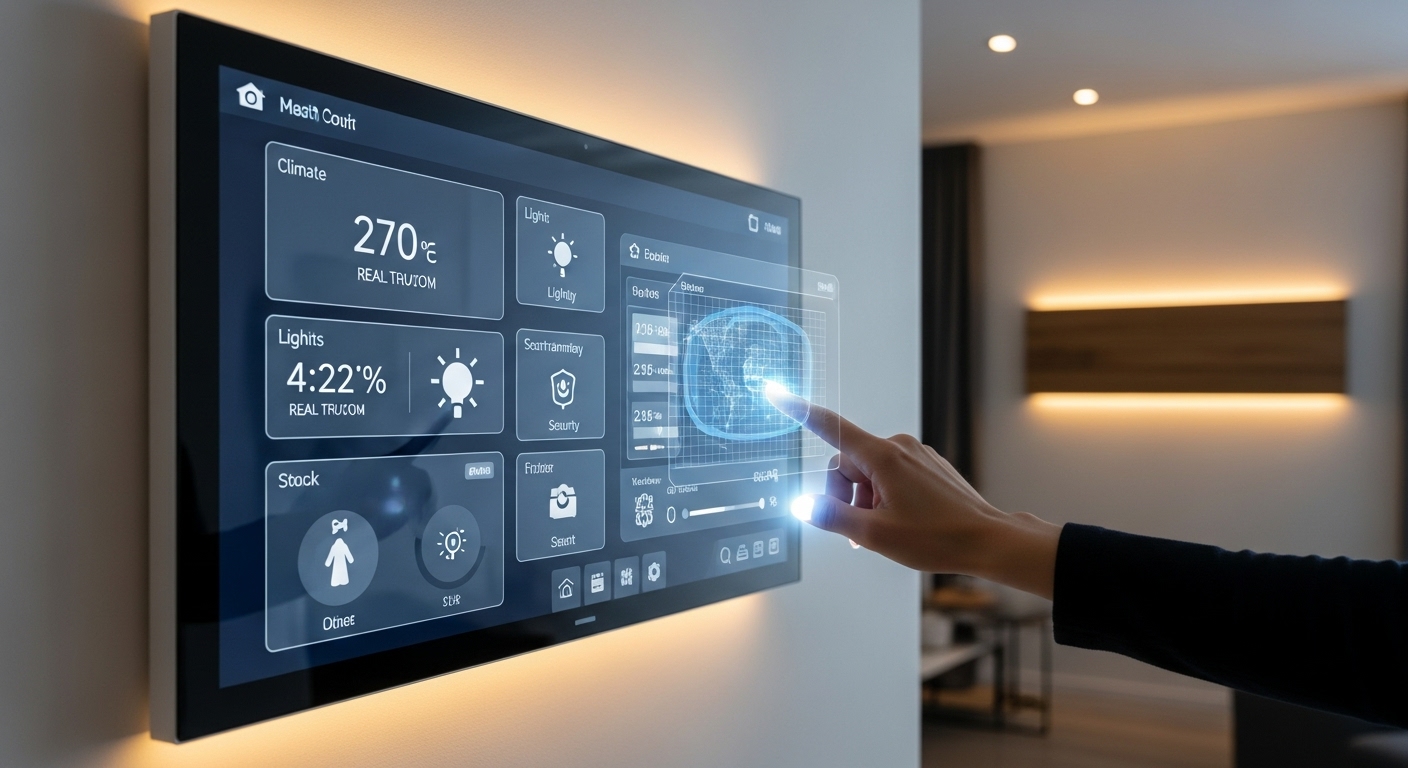
Smart homes became one of the earliest manifestations of IoT. Refrigerators that track groceries, lights that respond to voice commands, and security cameras that stream footage to smartphones turned homes into intelligent ecosystems. On a larger scale, IoT powers smart cities, where sensors monitor traffic, pollution, and energy usage to improve urban living.
In agriculture, IoT devices optimize irrigation and crop monitoring. In healthcare, wearable sensors track vital signs and alert doctors to potential health risks in real time. This constant flow of data allows for predictive analytics that can prevent problems before they occur.
Yet, the more devices connect, the more complex security becomes. Every connected object is a potential entry point for hackers, raising serious concerns about privacy, surveillance, and digital safety. As technology continues to blur the line between the physical and digital worlds, striking a balance between innovation and security is more important than ever.
Social Media and the Transformation of Communication
The rise of social media reshaped not only how people interact but also how societies function. Platforms that began as simple tools for sharing updates evolved into powerful engines for marketing, activism, and cultural exchange.
Social media gave individuals a global voice. Movements could spread across borders instantly, influencing politics, business, and culture. Artists, entrepreneurs, and influencers built careers entirely through digital platforms, bypassing traditional gatekeepers.
However, this new form of communication also brought new challenges. The constant flow of information made it difficult to distinguish fact from fiction. Algorithms designed to maximize engagement often promoted sensational content, fueling division and misinformation. The psychological effects of constant connectivity — from anxiety to the pursuit of validation through likes and followers — became major topics of research and concern.
Despite its flaws, social media remains one of the most influential technological developments of our time. It has changed how humans perceive identity, community, and even truth itself.
The Future of Work in a Technological World
The workplace of today is almost unrecognizable compared to that of a few decades ago. Technology has automated repetitive tasks, enabled remote work, and created new industries altogether. Collaboration tools allow teams to work across continents, while artificial intelligence handles data analysis and customer service.
Automation and robotics have transformed manufacturing and logistics, making production faster and more efficient. At the same time, digital platforms have given rise to the gig economy, where individuals can work on-demand through apps and online marketplaces.
However, this transformation raises concerns about job displacement. As machines become more capable, many traditional roles are at risk of being replaced. Yet, technology also creates new opportunities in fields such as AI development, data science, cybersecurity, and renewable energy. The challenge lies in reskilling the workforce to adapt to these emerging roles.
Education systems around the world are evolving to meet this challenge, emphasizing digital literacy, problem-solving, and creativity — skills that machines cannot easily replicate. The future of work will belong to those who can adapt, learn, and collaborate with technology rather than compete against it.
Biotechnology and the Fusion of Life and Machine
Another frontier of technology lies within ourselves. Advances in biotechnology are allowing humans to edit genes, grow organs, and even merge biology with digital systems. Breakthroughs like CRISPR have made gene editing more precise, opening possibilities for curing hereditary diseases and extending human longevity.
Wearable technology and implantable devices are turning humans into hybrid beings — part biological, part digital. Brain-computer interfaces, once the stuff of science fiction, are becoming reality. These systems could one day allow humans to control machines with thought alone, revolutionizing medicine, communication, and accessibility for people with disabilities.
However, biotechnology also poses ethical dilemmas. How far should humans go in altering life? Who decides which genetic traits can be changed? The intersection of technology and biology raises deep philosophical questions about identity, equality, and the nature of humanity itself.
Green Technology and the Fight for a Sustainable Future
As technology advances, so too does our understanding of its impact on the planet. The same innovations that drive progress can also cause environmental harm if left unchecked. Industrialization, data centers, and electronic waste have all contributed to the global environmental crisis.
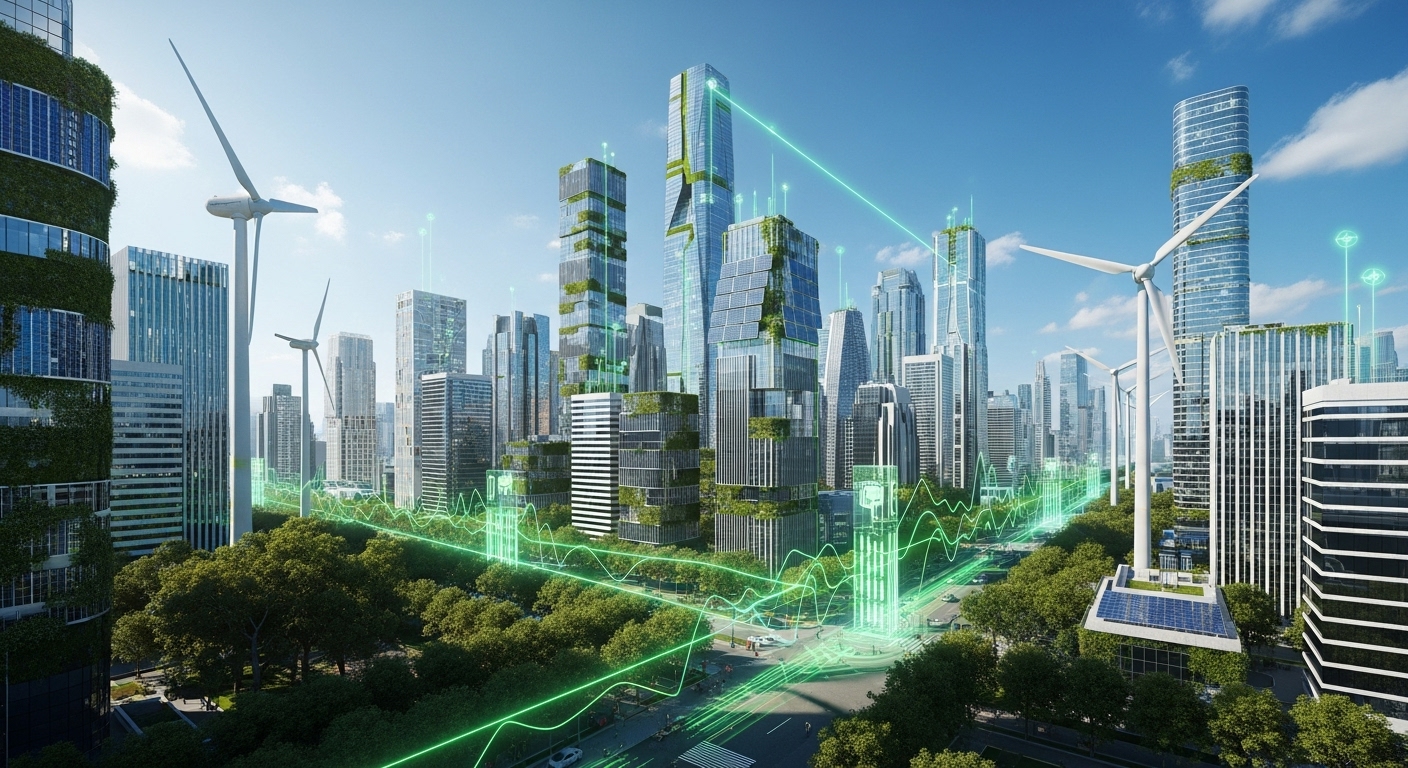
Fortunately, technology is also providing the tools to fight back. Renewable energy sources such as solar, wind, and hydroelectric power are becoming more efficient and affordable. Electric vehicles are reducing dependence on fossil fuels. Smart grids and sustainable manufacturing techniques are minimizing waste and conserving resources.
The concept of “green technology” goes beyond environmental benefits; it’s about building a sustainable future where progress and preservation coexist. Artificial intelligence, for instance, is being used to monitor deforestation, track wildlife, and predict climate patterns. Technology has the potential to be humanity’s greatest ally in addressing the ecological challenges of the 21st century.
Quantum Computing: The Next Technological Frontier
While traditional computers rely on bits that represent either a zero or a one, quantum computers use quantum bits, or qubits, that can represent both simultaneously. This allows them to perform calculations at speeds unimaginable by classical computers.
Quantum computing is still in its early stages, but its potential is enormous. It could revolutionize fields such as cryptography, materials science, and drug discovery. Problems that would take modern supercomputers thousands of years to solve could be completed in minutes.
However, this power also brings risk. Quantum computers could eventually break traditional encryption, forcing a complete rethinking of digital security. The race to build stable, scalable quantum systems is one of the defining challenges of modern science — a race that will shape the future of global power and innovation.
The Ethical Dimension of Technology
Every technological leap brings with it questions of ethics and responsibility. Who controls the data collected by devices and platforms? How do we ensure that automation benefits everyone, not just a privileged few? What does privacy mean in a world where information flows freely across borders?
As technology becomes more integrated into human life, ethical frameworks must evolve alongside it. Transparency, accountability, and inclusivity must be the guiding principles of innovation. The goal should not merely be to create smarter machines, but to build a more equitable and humane world through technology.
The Human Element in a Digital World
Amid all the advances, one truth remains constant: technology is only as meaningful as the humans who use it. Innovation should empower, not isolate. It should connect people, not divide them. The greatest technological achievement is not the invention itself, but the positive change it brings to human lives.
The digital world offers endless possibilities, but it also challenges us to remain grounded — to remember empathy, creativity, and purpose. As machines take over routine tasks, the uniquely human qualities of emotion, imagination, and moral reasoning become more valuable than ever.
Conclusion: Embracing the Future
Technology has brought humanity to the edge of a new era — one defined by intelligence, connectivity, and endless innovation. From the smartphones in our pockets to the algorithms that shape our experiences, technology has become the fabric of modern life.
The story of technology is ultimately the story of humanity itself: our curiosity, our ambition, and our desire to create. The challenge before us is not just to advance technologically, but to ensure that progress serves the greater good. The future will be defined not by the machines we build, but by the wisdom with which we use them.
In this ever-evolving digital world, one thing is certain: technology will continue to redefine what it means to be human. Our task is to guide it with care, creativity, and conscience — to shape the future not just with intelligence, but with heart.