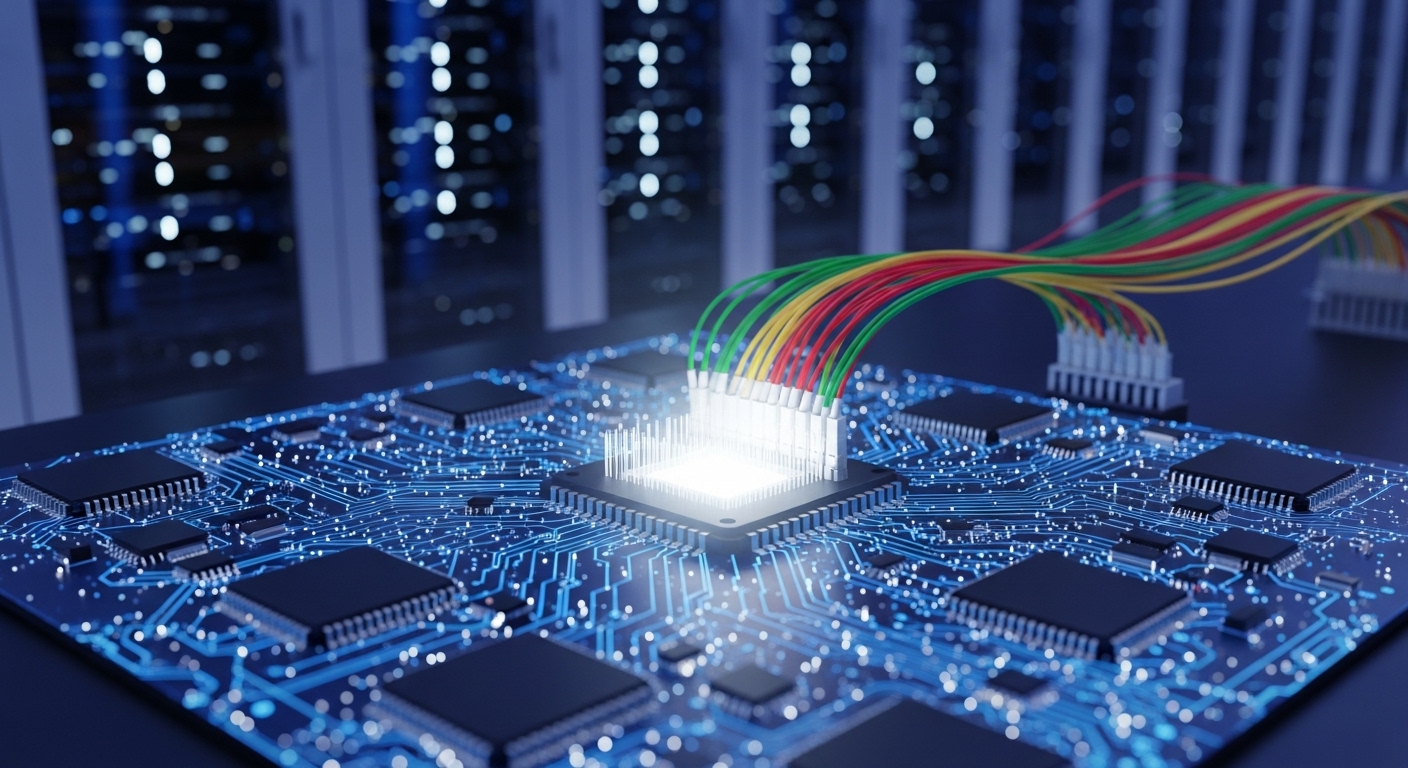

Technology is no longer just a tool; it is the foundation of modern life. It influences the way we communicate, work, learn, entertain ourselves, and even manage our health. From artificial intelligence to smart devices, technological advancements are occurring at an unprecedented pace, offering new opportunities while challenging existing norms. This blog explores the evolution of technology, its current impact, and the future possibilities it promises.
The Evolution of Technology
Human civilization has always progressed hand in hand with technology. Early tools like the wheel, fire, and simple machinery allowed humans to manipulate their environment and improve their survival. The Industrial Revolution brought mechanized production, transforming economies and lifestyles across the world.
The digital revolution in the 20th century introduced computers, mobile devices, and the internet, dramatically reshaping communication, commerce, and everyday life. Unlike earlier tools focused on physical labor, modern technology emphasizes intelligence, connectivity, and data-driven decision-making, allowing humans to accomplish more than ever before.
Connectivity: The Lifeline of the Modern Era
Connectivity is the backbone of contemporary technology. The internet has linked billions of people globally, enabling instant communication, collaboration, and access to information. Social media, messaging platforms, and video conferencing have transformed personal and professional interactions, making the world smaller and more connected.
Businesses leverage connectivity to manage global operations, reduce delays, and access international markets. Education and healthcare also benefit from digital connectivity, ensuring knowledge and services reach people regardless of location. Connectivity has become a critical enabler of innovation and growth in the modern world.
Artificial Intelligence: Transforming Everyday Life
Artificial intelligence, or AI, is among the most transformative technologies of the modern era. AI systems analyze massive datasets, recognize patterns, and make decisions with unprecedented accuracy. Machine learning, a subset of AI, allows systems to learn from experience, improving over time without explicit programming.
AI applications span from personal assistants and recommendation engines to autonomous vehicles and healthcare diagnostics. Businesses use AI to optimize operations, forecast trends, and enhance decision-making. While AI offers incredible potential, it also raises ethical questions about privacy, fairness, and automation, making responsible development essential.
Automation and the Changing Workforce
Automation is revolutionizing the way we work. Repetitive tasks in manufacturing, logistics, and office environments are increasingly handled by robots and AI systems, freeing humans to focus on creative, analytical, and strategic work.
This transformation requires workers to develop new skills, such as problem-solving, critical thinking, adaptability, and digital literacy. Education and professional training programs must evolve to prepare individuals for a future in which human and machine collaboration is the norm. Automation is not a replacement for humans; rather, it is a tool to enhance human potential.
The Internet of Things: Connecting Our World
The Internet of Things, or IoT, is a network of interconnected devices that collect, share, and act on data. Examples include smart homes, wearable devices, and industrial sensors.
In households, IoT optimizes energy use, enhances security, and simplifies daily routines. Cities leverage IoT to manage traffic, monitor environmental conditions, and provide efficient public services. Industries use IoT to monitor equipment, predict maintenance needs, and streamline operations. As IoT grows, technology seamlessly integrates into daily life, making the boundary between the digital and physical worlds increasingly invisible.
Cloud Computing: Driving Innovation
Cloud computing has transformed how data is stored, accessed, and processed. Cloud platforms provide scalable resources that can be accessed from anywhere, enabling flexibility and efficiency.
Businesses benefit from cloud solutions through enhanced collaboration, cost reduction, and data security. Cloud computing also supports technologies like AI, big data analytics, and IoT. For individuals, it allows convenient access to files, applications, and entertainment across multiple devices. Cloud computing is a cornerstone of modern digital infrastructure, powering innovation and connectivity globally.
Cybersecurity: Protecting the Digital World
With technology deeply integrated into our lives, cybersecurity has become crucial. Threats such as hacking, malware, identity theft, and data breaches can have serious consequences for individuals, organizations, and governments.
Effective cybersecurity includes encryption, multi-factor authentication, network monitoring, and awareness training. Safeguarding digital systems ensures trust, privacy, and the smooth functioning of modern society. Cybersecurity is no longer optional; it is a fundamental requirement in a world driven by technology.
Technology in Education: Revolutionizing Learning
Technology has transformed education, making learning interactive, accessible, and personalized. Digital classrooms, online courses, and educational applications allow students to study at their own pace and explore a wide range of topics.
AI-powered learning platforms assess student progress, tailor lessons to individual needs, and provide immediate feedback. Virtual labs and simulations offer hands-on experience without physical constraints. Technology in education democratizes learning, bridging geographic and socio-economic gaps and empowering students globally.
Digital Entertainment: The New Era
Technology has reshaped the entertainment industry. Streaming platforms provide on-demand access to movies, television shows, and music. Gaming has become a global phenomenon, offering immersive experiences, virtual worlds, and social engagement.
Modern games feature realistic graphics, AI-driven challenges, and collaborative gameplay. Augmented reality and virtual reality create interactive experiences that merge digital and physical realities. Technology has shifted entertainment from passive consumption to active participation, giving individuals unprecedented creative and experiential opportunities.
Healthcare and Biotechnology: Improving Lives
Healthcare has been transformed by technology. Telemedicine enables remote consultations, wearable devices monitor health metrics, and AI assists in accurate diagnosis and personalized treatment plans.
Biotechnology innovations such as gene editing, robotic surgery, and precision medicine improve patient outcomes and extend lifespans. Technology increases healthcare accessibility, efficiency, and quality, demonstrating its potential to improve human life significantly.
Sustainable Technology: Protecting the Planet
Sustainability is increasingly central to technological development. Renewable energy, electric vehicles, smart infrastructure, and energy-efficient systems reduce environmental impact and conserve resources.
Solar panels, wind turbines, and smart grids provide clean energy. Smart homes and cities optimize energy use, minimize waste, and contribute to a sustainable future. Technology enables progress without compromising environmental responsibility, ensuring that innovation supports a healthier planet for future generations.
Ethics and Responsible Innovation
The rapid advancement of technology raises ethical challenges. Issues such as data privacy, algorithmic bias, surveillance, and digital inequality require careful consideration.
Responsible innovation involves creating technology that is fair, transparent, and inclusive. Policymakers, developers, and organizations must collaborate to ensure that technological progress benefits society while protecting human rights and values. Ethical oversight will shape how technology impacts the future of humanity.
The Future of Technology
The future promises extraordinary possibilities. Advancements in AI, robotics, quantum computing, biotechnology, and renewable energy will continue to redefine industries and daily life. Digital systems will become smarter, more adaptive, and seamlessly integrated into human activity.
While machines increase efficiency, human creativity and innovation will remain central. Collaboration between humans and technology will solve complex challenges, improve quality of life, and expand what is possible. The horizon of technology is vast, offering endless opportunities for growth, innovation, and progress.
Conclusion
Technology is no longer a tool; it is the foundation of modern society. It impacts communication, work, education, healthcare, entertainment, and sustainability. From AI and IoT to cloud computing and biotechnology, technology influences every aspect of life.
Harnessing technology responsibly is critical. Ethical practices, digital literacy, and cybersecurity are essential to ensure that innovation benefits humanity and the planet. By embracing technology thoughtfully, society can unlock its full potential, creating a future that is connected, innovative, and sustainable. Technology continues to shape our present and will define the future of humanity.